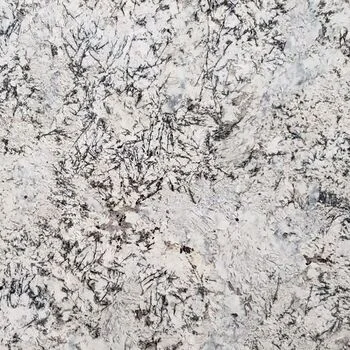
Alaska White Granite is a striking natural stone known for its light background and warm hues, making it stand out among white granites. Originating from quarries in Rajasthan, India, this granite features a white to off-white base with grey and black mineral patterns and occasional specks of beige or gold. Its elegant appearance and durability have made it especially popular in the U.S., U.K., Canada, and beyond. In this comprehensive guide, we’ll explore the origin, design, applications, maintenance, pricing, and how Alaska White Granite compares with similar marble and quartz options.
Origin and Alternate Names of Alaska White Granite
Alaska White Granite was first quarried around 2014 in the Beawar and Bhilwara regions of Rajasthan, India. Interestingly, some suppliers also source a similar stone from Brazil, leading to a bit of confusion about its origin. In reality, high-quality Alaska White is produced in both countries, with each quarry yielding slabs that have their own subtle differences in colour and veining.
Over the years, different varieties and quarry locations have given rise to multiple trade names for stones similar to Alaska White. These alternate names can be confusing but typically refer to variations in tone or pattern. Some of the commonly mentioned names include:
- Oyster White: Light background granite with very subtle patterns
- Blue Dunes: A variant with a light greenish-white base and bluish-grey tones.
- White Champagne: A granite with a soft white and gold elegance.
- Bianco Typhoon: Very similar in appearance to Alaska White, sometimes nearly indistinguishable.
- Blue Pegasus: Resembles Blue Dunes but with larger “flower” pattern clusters
- Bianco Azul: A white granite showing distinctive blue “flower” mineral clusters.
- Oyster White/Blue: Features a white base with blue feldspar speckles
- White Glimmer Granite: is a premium variant of Alaska White with brighter background and more reflective feldspar crystals.
Despite the variety of names, these stones share a family resemblance of light backgrounds mixed with darker mineral deposits. Alaska White itself is sometimes also marketed as “Ice Brown” granite when slabs have a warmer brownish tint, and you may encounter it labeled as “Branco Alaska” or “Alaskan White” in some catalogs.
ALSO READ | What is Alaska Granite? And How is it Different from “Typical Granite”
Appearance, Pattern, and Texture
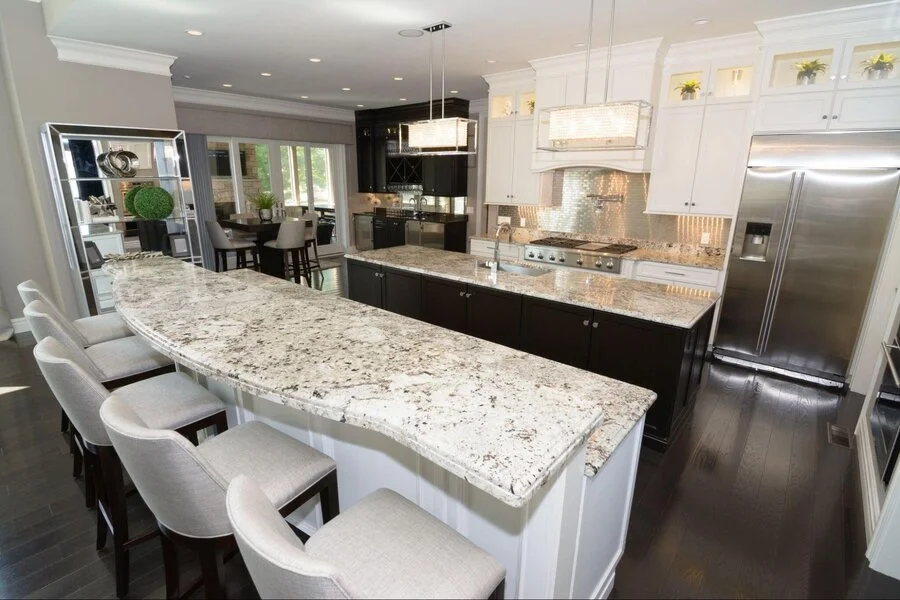
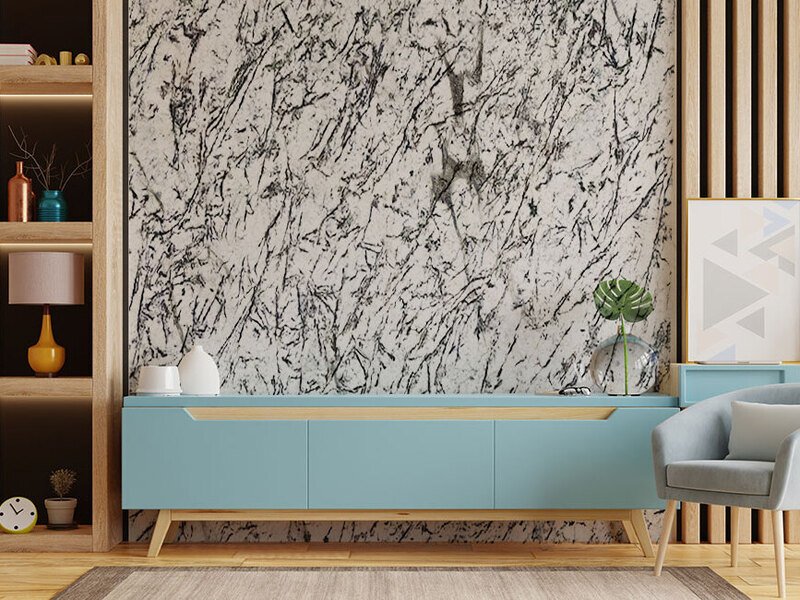
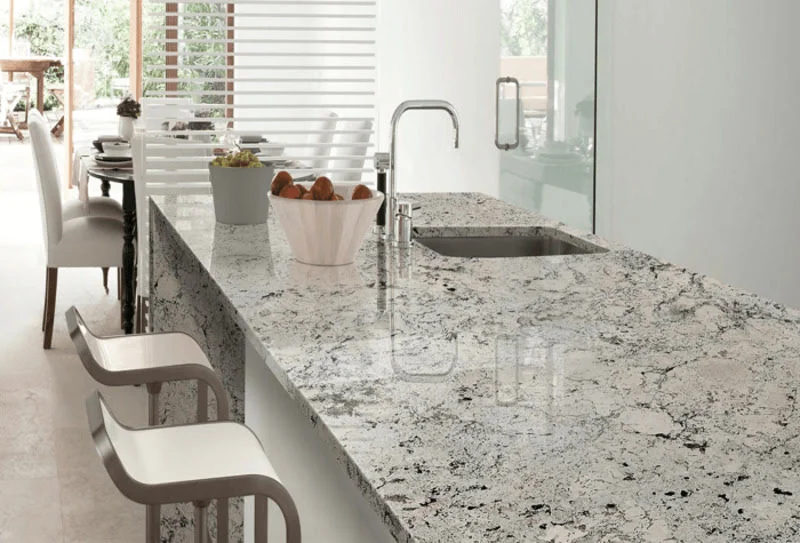
In terms of appearance, Alaska White Granite offers a frosty blend of white and pale silver, accented by onyx-black and warm neutral tones. Each slab is unique, but generally you will see dark mineral speckles and veins running across a light background. The pattern can range from relatively uniform, fine-grained speckling to bold, dramatic veins depending on the slab. This means two pieces of Alaska White can look quite different – some may feature more of the bright white and silver backdrop, while others show heavier grey-brown veining.
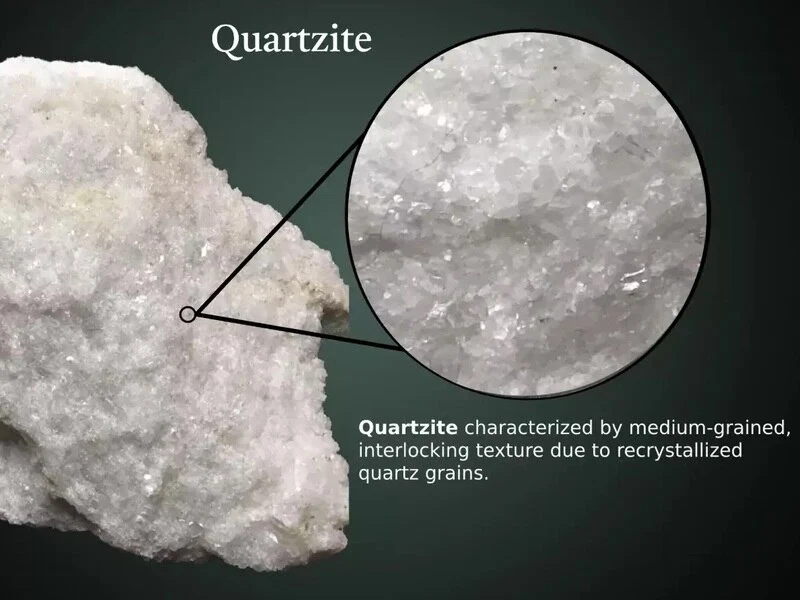
The granite’s texture is typically medium-grained and crystalline. Up close, you can identify individual crystals of quartz (glassy translucent bits), feldspar (opaque white or beige patches), and darker minerals like mica or amphibole. These components create the salt-and-pepper or “sprinkled” effect characteristic of granite. In Alaska White, the darker minerals often appear as small black flecks or warm brown spots scattered over the slab. This granular texture is one way to distinguish granite from the more uniform look of marble. By contrast, true white marbles or quartzites will have much finer grains and smoother, more continuous veining rather than speckles.
Color Variations
Most Alaska White slabs have a predominantly white or light grey field, but it’s common to see hints of beige, brown, or even pale pink in the mix. Some quarry lots have a whiter background with stark black and grey crystals, while others carry a creamy or golden undertone due to feldspar content. Occasionally, blue mineral bits can appear, especially in those variants sold as Bianco Azul or similar names. This range of shade variations – from bright white to ivory or gold-tinted – means you have options to select a slab that best suits your design palette. Buyers often categorize the stone by grade (more on that below), with the “premium” grade Alaska White showing the most luminous white background and balanced pattern, whereas commercial grades may lean darker or more uneven in pattern.
Finish options
Alaska White Granite is commonly available with a polished finish, which gives it a high-gloss, reflective surface that pops the colours and crystals. A leathered finish is another popular choice that creates a muted, matte look while retaining the stone’s character. Both polished and leathered Alaska White are sought after, and some specialty processors even offer newer textured finishes like hydro-jet (water-washed) for slip-resistant exterior use. No matter the finish, the stone’s inherent pattern remains the same – a dynamic mix of light and dark that draws the eye.
Quality Grades (Premium vs. Commercial)
Like many natural granites, Alaska White is sold in different quality grades based on color and pattern consistency, thickness, and presence of fissures or soft minerals. Understanding these grades can help you balance budget vs. aesthetics:
Premium Grade (Level 3+):
Premium Alaska White slabs have the most desirable appearance – a bright, snowy-white background with evenly distributed minerals and minimal blemishes. These slabs are rarer and highly coveted. Quarry owners often reserve the best blocks (with uniform pattern and color) for premium export orders. Premium grade usually comes in thicker cuts (around 3/4 inch or 2 cm and up) and commands the highest price. Homeowners who want a showpiece countertop tend to seek out this grade for its stunning, clean look.
Standard Grade (Level 2):
A standard or mid-grade Alaska White will still have an attractive pattern but might show slightly more variation – perhaps a bit more grey or beige in the background, or less evenly spread flecks. The colors are clear but not as rare or “one-of-a-kind” as premium slabs. Standard slabs are typically around 18–20 mm (~0.75 inch) thick and offer a good balance of beauty and durability for the cost.
Commercial Grade (Entry-Level):
Commercial-quality Alaska White (sometimes called “builder grade”) has more noticeable imperfections or colour unevenness. These slabs might have a duller off-white or brownish tone overall, with heavier veining or patchy mineral clusters that some may find less appealing. They often contain more soft mineral content (like mica) which can make the slab slightly more fragile if not handled properly. The minimum commercial thickness is 18 mmfor cutter slabs, making it more durable and less prone to breakage.. It’s worth noting that in the industry, slabs with a predominant brown tint are sometimes nicknamed “Ice Brown” – essentially Alaska White’s less white variant.
Regardless of grade, the stone itself is the same type; the distinctions primarily affect the look and, to some extent, the slab integrity. If you’re purchasing Alaska White granite, it’s wise to inspect the exact slabs or see photos beforehand so you know if you’re getting the crisp white premium look or a more variegated appearance. Many suppliers will label the lot or batch, and pricing will reflect these differences.
Applications and Uses of Alaska White Granite
One of the reasons Alaska White Granite is in high demand is its versatility. This durable stone can be used both indoors and outdoors for a variety of projects, bringing elegance and resilience to each. Here are some of the most common applications:
Kitchen Countertops and Islands:
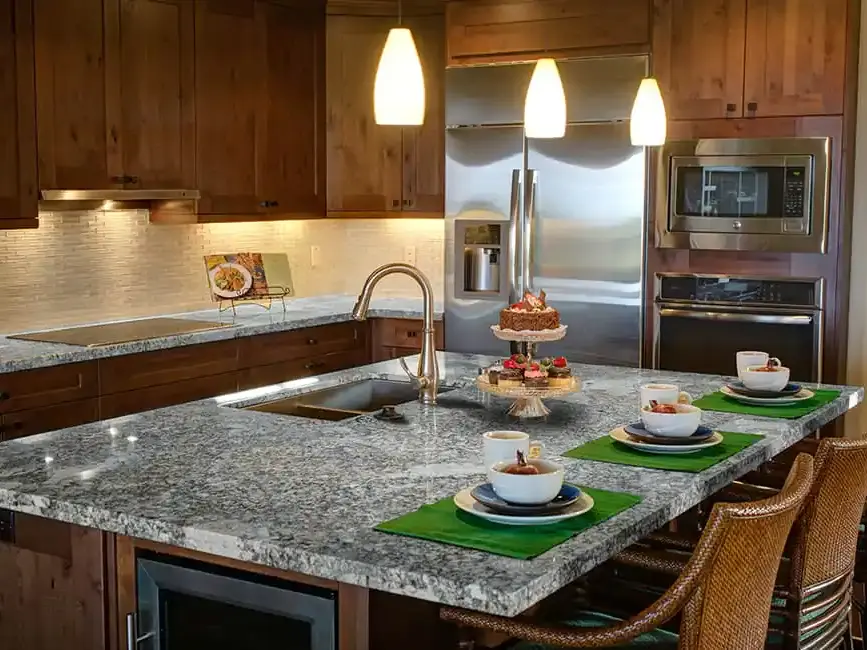
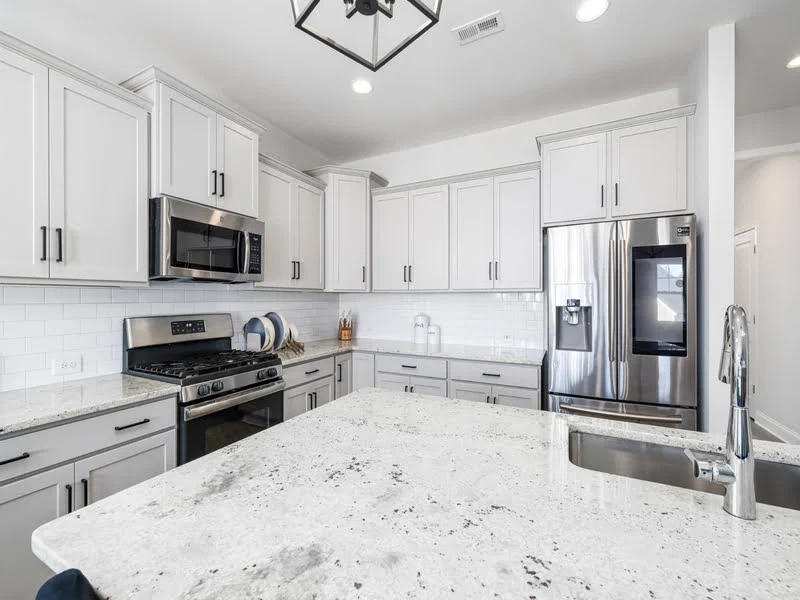
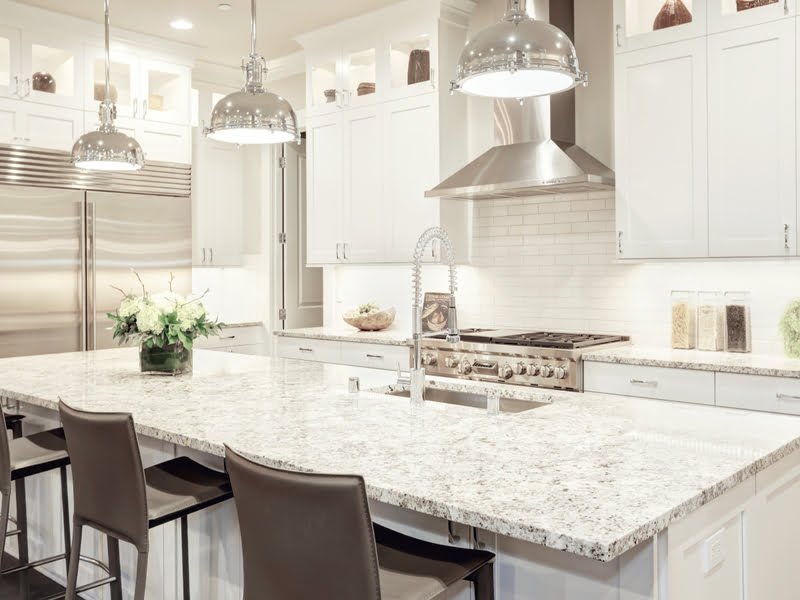
The most popular use for Alaska White is in kitchen countertops. Its light color can make kitchens feel more open and airy, and it provides a stunning contrast whether paired with dark cabinets or matching light cabinetry. As a countertop, Alaska White Granite is prized for its heat resistance and scratch resistance – hot pots and pans won’t scorch it, and cutting directly on granite will generally not harm the stone (though it might dull your knives). Because it’s a natural stone, each countertop will have unique patterning, adding a one-of-a-kind character to your kitchen. Homeowners also use Alaska White for kitchen islands, sometimes in combination with different perimeter counters for a trendy two-tone design.
Backsplashes:
Using Alaska White Granite for a backsplash can create a seamless look if combined with a matching counter, or it can serve as an eye-catching feature on its own. Due to the stone’s lighter background, an Alaska White backsplash can help reflect light and prevent a kitchen from feeling too dark, even if you have darker countertops or flooring. It’s an upscale choice (full granite backsplashes are more expensive than tile), but it delivers a lot of impact in a small area.
Flooring and Stair Treads:
In high-traffic areas like entryways or hallways, Alaska White granite floor tiles bring both durability and style. Granite is exceptionally hard (rated around 6-7 on Mohs hardness scale), which means it resists scratching and wear. Polished granite floors can be quite slippery when wet, so a honed or leathered finish is often used for better traction. The pale color of Alaska White can help make spaces feel larger, and it pairs well with many wall colors. Do note, however, that lighter granite floors will show dirt more readily (just as a white tile might). Routine sweeping and mopping will keep it looking pristine.
Bathroom Vanities and Walls:
Alaska White granite is a popular choice for bathroom vanity tops, bringing a spa-like luxury to bathrooms. It holds up well to water exposure and cosmetics (just wipe up spills and reseal periodically). Designers also use this granite for shower surrounds or accent walls in bathrooms – the natural stone look can elevate a simple bath to something truly elegant. The light color is perfect for smaller bathrooms as it doesn’t overwhelm the space.
Fireplace Surrounds:
Cladding a fireplace in Alaska White granite can turn it into a focal point of the living room. The stone’s mix of white, grey, and black complements both traditional wood mantles and sleek modern designs. Granite is also heat-tolerant, so it’s a safe and stylish material to frame a fireplace opening. The speckled pattern of Alaska White adds visual interest even when the fireplace is not in use.
Outdoor Use:
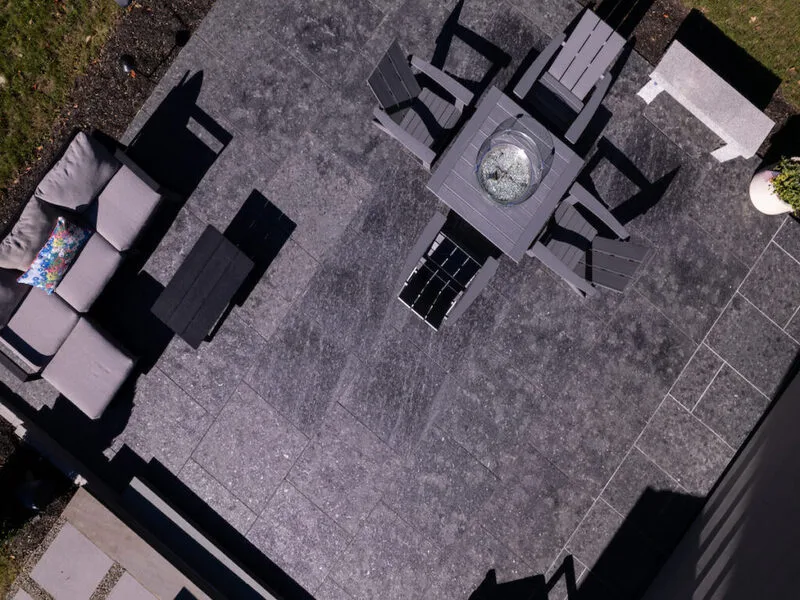
Granite’s toughness and weather resistance make it suitable for outdoor kitchens, bar tops, or patio accents as well. Alaska White granite can be used outside for barbecue counters or as table tops, provided the stone is properly sealed and not subjected to extreme freeze-thaw cycles without precautions. Its light color won’t fade noticeably in sunlight, and it can create a lovely contrast against greenery or landscaping. If using it outdoors in a cold climate, ensure the installer uses granite rated for freezing conditions (Alaska White generally is, when properly installed).
Pricing: How Much Does Alaska White Granite Cost?
The cost of Alaska White Granite can vary significantly based on quality, availability, location, and the complexity of the job, but it is generally considered a premium-priced granite. In other words, it’s not the cheapest granite on the market, but many consider its unique beauty well worth the investment. Here’s a breakdown of pricing factors and estimates:
Alsaks Granite Slab Price:
If purchasing raw slabs, suppliers may quote Alaska White by the square foot or by the slab. In India (where much of it is quarried), Alaska White sells for roughly ₹130 to ₹200 per square foot for the material for 18 mm thickness for cutter size slabs. In comparison, a common mid-range granite might be ₹60-120, so Alaska White is on the higher side domestically.
Factors Influencing Cost:
If you are seeing a price at the high end of the range, it could be due to opting for premium-grade slabs, which cost more due to their rarity and beauty. The thickness of the slab also affects cost – thicker 3 cm (1-1/4 inch) slabs are more expensive than 2 cm (3/4 inch) ones. Additionally, any custom edging, cutouts, or complex installation requirements (curved cuts, full backsplash, etc.) will add to labor costs. Geographical location matters too: areas with many granite suppliers (and competition) may offer better prices, whereas remote locations involve higher transport costs for these heavy slabs.
ALSO READ | What Affects Granite Price Per Square Foot?
In summary, Alaska White Granite tends to cost more than standard granites, but it’s still often less expensive than exotic imported stones or high-end marble. To get an exact quote, it’s best to contact local stone fabricators with your project dimensions.
Alaska White Granite vs. Marble and Quartz: How It Stacks Up
Given Alaska White’s light color and elegant pattern, homeowners often compare it with white marble or engineered quartz when deciding on materials. Each of these options—granite, marble, and quartz—has distinct characteristics. Here’s a brief comparison to put Alaska White Granite in context:
Alaska White Granite vs. Marble
Alaska White Granite is often compared to white marble like Carrara or Calacatta for its light base and striking veining. While both look elegant, they differ in performance:
- Durability: Granite is much harder (Mohs 6–7) than marble (Mohs 3–4), making it better for kitchens and high-use areas. Marble scratches and etches easily with acids.
- Maintenance: Alaska White Granite needs simple sealing and cleaning. Marble requires more upkeep to avoid stains and etching.
- Appearance: Marble has smooth, flowing veins; Alaska White Granite has a more granular, natural pattern with crystal clusters.
If you love the marble look but want better durability, Alaska White is a great choice.
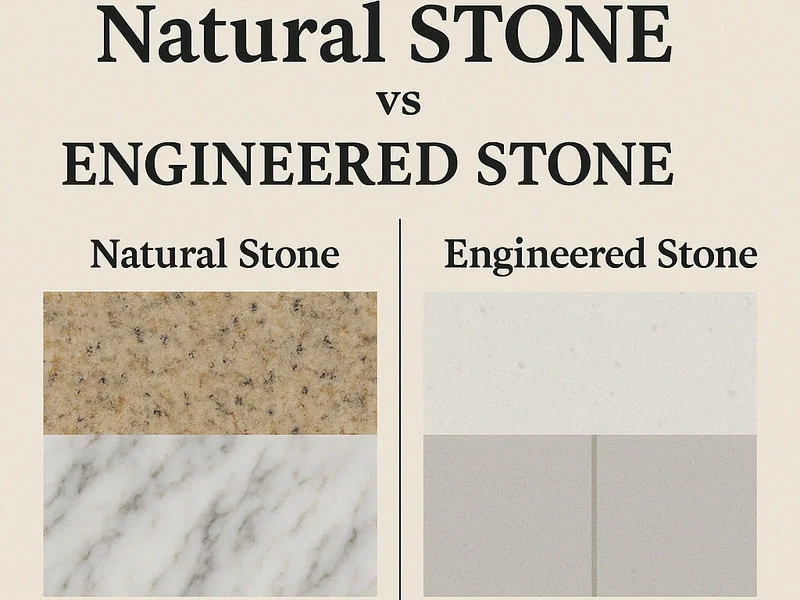
Alaska White Granite vs. Quartz:
Quartz (engineered stone) and Alaska White Granite are both durable and stylish but have key differences:
- Look: Granite slabs are one-of-a-kind; quartz patterns repeat. Some quartz brands mimic Alaska White, but the natural texture is hard to replicate.
- Heat Resistance: Granite handles hot pans better; quartz can discolor from direct heat due to resin content.
- Porosity & Care: Quartz is non-porous and doesn’t need sealing. Alaska White Granite, once sealed, resists stains well and is also easy to clean.
- Outdoor Use: Quartz isn't ideal outdoors—it can fade in sunlight. Alaska White Granite performs well outside and stays cooler in sunlight.
Choose Alaska White Granite if you value natural uniqueness, heat resistance, and timeless appeal. Choose quartz if you want consistent patterns and zero sealing. Both work beautifully—it’s just about what matters more for your space.
Standard Sizes and Thicknesses of Alaska White Granite Slabs
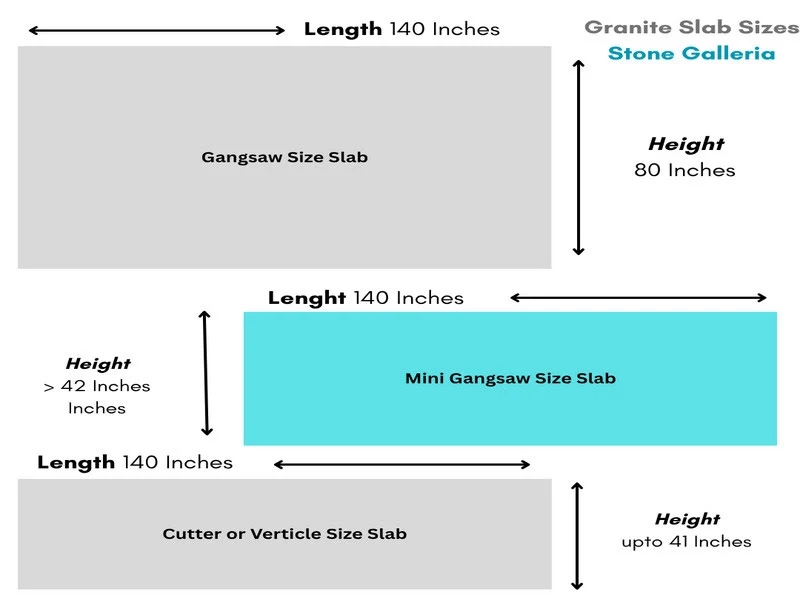
Alaska White Granite is commercially processed and supplied in two major slab categories based on block size:
| Slab Type | Approx. Dimensions | Standard Thickness Options | Typical Use Cases |
|---|---|---|---|
| Cutter Size Slabs | L180 x H60 cm & above | Minimum 18 mm (1.8 cm) | Vanity tops, smaller kitchens, tiles |
| Gangsaw Size Slabs | L260 x H160 cm & above | 2 cm and 3 cm | Large kitchen countertops, flooring, wall cladding |
Note: Alaska White is not available in 15–16 mm thickness.
Design Tips and Global Appeal of Alaska White Granite
Alaska White Granite is popular worldwide for its adaptable beauty. Designers across the U.S., U.K., Europe, and Asia favor it for its ability to suit both modern and traditional spaces.
Pairing with Cabinets
Alaska White works beautifully with white and off-white cabinets for a bright, seamless look. For contrast, pair it with dark cabinets like espresso, navy, or cherry – the granite’s grey and beige tones complement wood finishes and balance red undertones well.
Color Schemes
Its neutral palette of white, grey, black, and beige blends well with greige walls, taupe floors, and soft accent tones. Darker flooring and subtle backsplashes help highlight its natural texture.
Style Flexibility
Whether you're going for a sleek modern kitchen or a warm farmhouse style, Alaska White’s flowing pattern and neutral base fit right in. It’s a go-to choice for those who love the look of marble but prefer the durability of granite.
Lighting Effects
In dimly lit areas, the polished surface and quartz crystals in Alaska White reflect light beautifully. Under-cabinet lighting brings out its details and sparkle, making it look lighter or darker depending on the lighting.
Global Trend
Featured in high-end homes across North America and Europe, Alaska White Granite aligns with the lasting trend of bright kitchens and natural surfaces. Its ability to serve as a centerpiece or supporting material makes it a designer favorite across styles and cultures.
Conclusion
Alaska White Granite is a standout material that offers a winning combination of beauty, durability, and versatility. Quarried in India (and also found in Brazil), it carries an aura of luxury with its icy-white backdrop and striking mineral pattern. Yet, it remains practical for everyday use – resisting the spills, heat, and wear of busy kitchens and active households with ease. This granite has proven itself on the world stage, becoming a favourite for those who want the elegance of a light stone without the worry.
In summary, Alaska White Granite can elevate the aesthetics of any space, whether it’s used as a showpiece kitchen countertop, a polished floor, or an inviting bathroom vanity top. Its chameleon-like ability to blend with myriad color schemes means it’s a safe bet for homeowners and designers looking for flexibility in design. And when comparing it to alternatives like marble or quartz, it holds its own – often coming out on top for those who value a natural product that marries form and function.
Explore our Alaska Granite Collection today or contact us for more details!
Explore Other Popular Granite Types You Should Know About
Looking at granite? Don’t stop here. Explore other widely used stones like Fantasy Brown, Lakha Red, Markino Black, and more to make the right choice.