One of the hardest things to figure out when I first entered the granite industry was where each variety actually came from. That early confusion led me to one powerful realization — to truly understand granite, you must understand where it comes from. Sometimes, the same granite went by different names depending on who was selling it — adding even more confusion. But there was no clear map or guide that explained which region produced what. And yet, that missing piece turned out to be crucial.
Each granite variety in India is closely tied to its quarrying location. Whether you're a homeowner, a builder, a fabricator, or someone sourcing stone for export, knowing the quarry region can make a big difference in how you approach your purchase.
It affects everything — from cost and availability to logistics, factory proximity, and even the quality or consistency of the stone. For example, sourcing granite from a factory that's located close to the quarry can reduce transport costs, speed up delivery, and give you better access to specific finishes or custom sizes. It also helps avoid middlemen, making pricing more competitive.
And because each quarrying region has its own characteristics, knowing the source helps you choose the right variety — not just in terms of looks, but also performance and durability based on where and how you plan to use it.
Quarry → Processing → Informed Buying
In short, understanding quarry locations isn’t just industry trivia — it’s practical knowledge that can save time, reduce costs, and help you make more confident decisions, whether you're sourcing granite from across the street or across the world. Now that we understand why the source matters, let’s zoom out and see where all this granite is actually coming from — and why India leads the world in this game.
.webp)
Why India Matters in the Global Granite Market
India isn’t just a country that uses granite — it’s one of the world’s most important granite suppliers. Whether you're importing granite slabs for a commercial project or sourcing raw blocks for fabrication, India is likely already on your radar. And for good reason.
ALSO READ | Why Indian Granite is a Global Favourite?
Why India Is a Leading Exporter of Granite Worldwide?
India's edge isn’t just geological — it’s also about how we mine, process, and deliver. Here's how India stacks up globally. India consistently ranks among the top 5 global granite producers and exporters, supplying a wide range of finished and semi-finished products to over 90 countries. From slabs and tiles to monuments and kitchen tops, Indian granite is shipped to the USA, Europe, the Middle East, and Southeast Asia.
- Export Value (2021–22): ₹6,778 crore (~$830 million)
- Major Buyers: USA, UAE, Vietnam, China, Saudi Arabia, Germany, UK
- Over 85% of India’s granite exports are value-added (processed slabs/tiles)
This strong export orientation is backed by India’s ability to offer both variety and volume, making it a cost-effective and reliable supplier globally. But to really grasp India’s scale, let’s go state by state — because each region tells its own story.
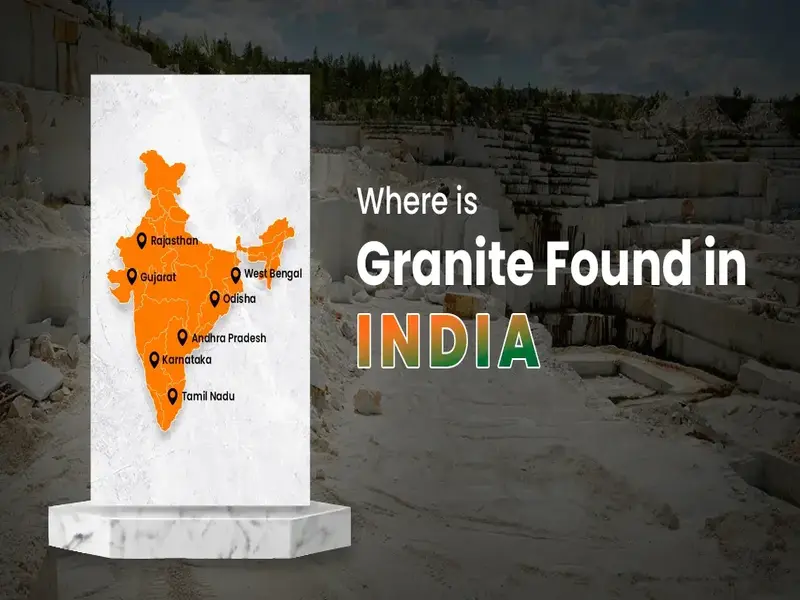
Where is granite found in India?
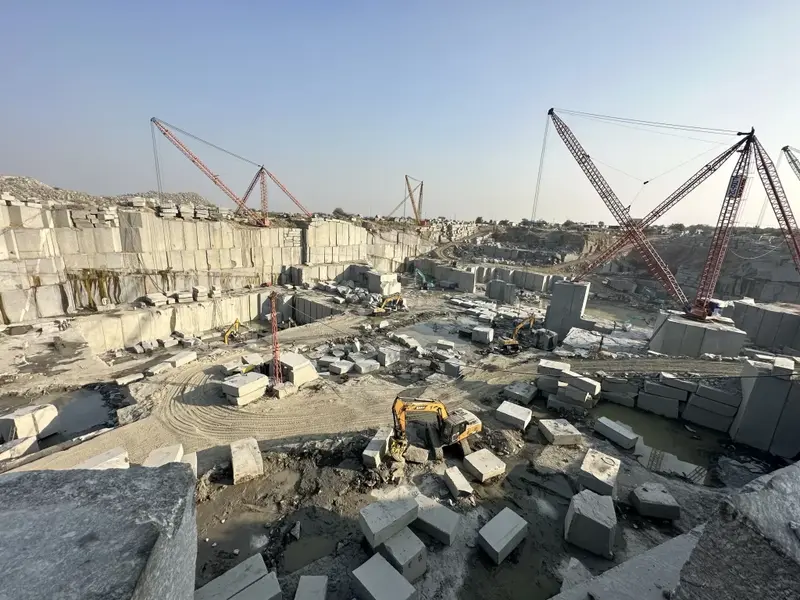
Several states in India serve as key centres for granite quarrying and production, making a substantial contribution to the country’s total granite output and export. Every state provides distinct types of granite.
An examination of granite resources on a state-by-state level reveals a varied distribution, with Karnataka and Rajasthan taking the lead, each accounting for roughly 20% of the overall resources. Jharkhand and Gujarat closely follow, accounting for 19% and 18% of the resources respectively. Significantly, Andhra Pradesh contributes 5% of the resources, whilst Madhya Pradesh and Odisha individually represent 4%. (Source: Indian Bureau Of Mines, Government Of India)
Share your project type, quantity, finish preference, and delivery location. We will recommend the most suitable granite region based on availability, pricing, logistics, and long-term supply consistency.
India isn’t just rich in reserves — it’s efficient in processing too. Unlike some countries that only extract and ship raw blocks, India handles much of the cutting, polishing, and finishing domestically. This reduces cost and lead time for buyers.
- Granite Reserves: 46+ billion cubic meters (recoverable)
- Factories: Thousands of small to large-scale units with multi cutter, gangsaw, resin lines, and CNC machines
This setup allows India to serve both bulk export buyers and custom, project-based needs with consistent quality.
ALSO READ | Granite Mining: How is Granite Mined?
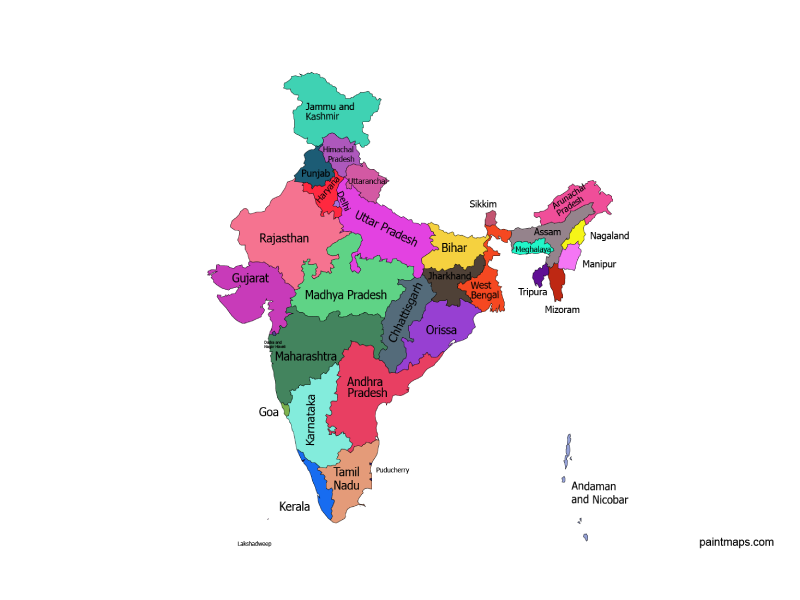
Popular Indian Granite Varieties - Quarry Locations by State
India's geology is incredibly diverse. Different regions specialise in different types of granite, each with its own texture, colour, and performance characteristics. The table below summarizes India’s major granite-producing states, listing their well-known granite varieties and the key districts or quarry areas where these stones are mined.
South India (Largest granite-producing zone)
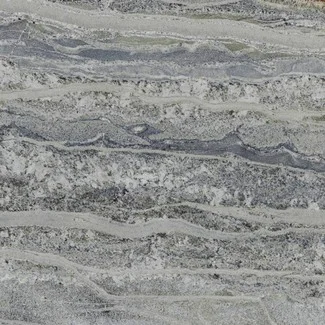
South India leads in granite production with rich deposits across Andhra Pradesh, Telangana, Karnataka, and Tamil Nadu. Known globally for Black Galaxy, Tan Brown, Paradiso, and Kashmir White, this region offers reliable supply, color consistency, and excellent processing infrastructure.
| State | Popular Varieties | Key Quarry Locations |
|---|---|---|
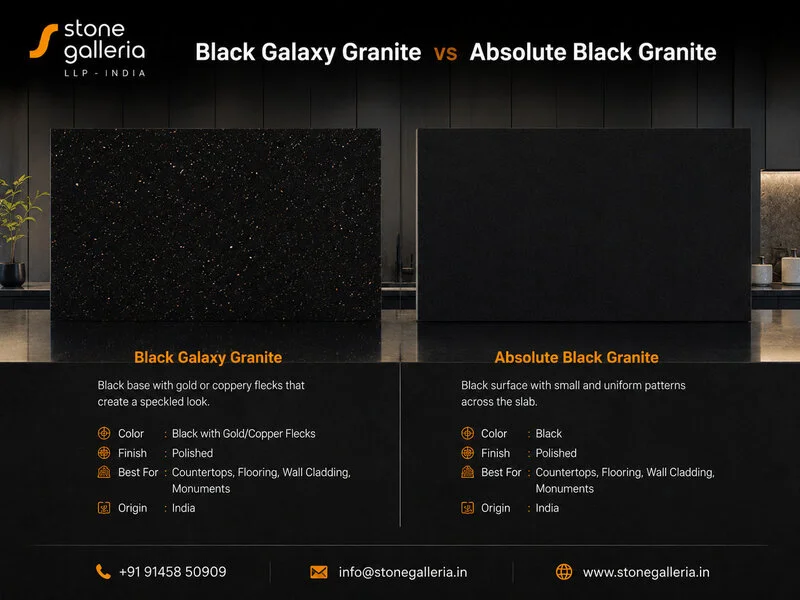
| Andhra Pradesh | Black Galaxy, Steel Grey, Silver Galaxy, Srikakulam Blue, Anantapur Grey, Vizag Blue | Chimakurthy (Prakasam), Ongole, Srikakulam, Anantapur, Vizag |
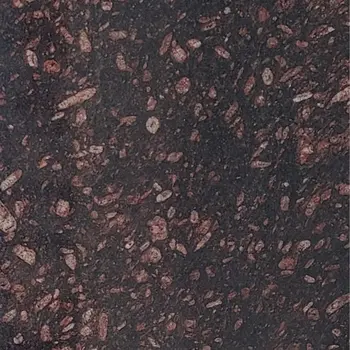
| Telangana | Tan Brown, Jet Black, Absolute Black, Cherry Red, Sapphire Brown | Karimnagar, Jagitial, Warangal, Khammam, Adilabad |
| Karnataka | Ruby Red, Red Multi, Himalayan Blue, Sira Grey, Hassan Green, Magadi Pink, Absolute Black | Ilkal (Bagalkot), Koppal, Bellary, Tumkur (Sira), Hassan, Magadi, Chamrajnagar, Mysore |
| Tamil Nadu | Paradiso, Kashmir White (Yes, its not quarried in Kashmir), Raw Silk (Pink/Yellow), Colombo Juparana, Kunnam Black, Pink Multi, Turaiyur Blue, Vellore Black | Krishnagiri, Dharmapuri, Melur (Madurai), Salem, Perambalur, Tiruchirappalli, Vellore |
North India - Granite Mines in Rajasthan
Rajasthan hosts some of India’s most active granite mines, from P white granite in Jalore and Pali regions. Known for producing Alaska, Chima Pink, Fish Black, P White, R Black, and other granite types, these mines power both domestic construction and global exports. Granite stone mining in Rajasthan remains a key industry for North India.
| State | Popular Varieties | Key Quarry Locations |
|---|---|---|
| Rajasthan | Lakha Red, Rajasthan Black, Rosy Pink, Chima Pink, P White Granite, Alaska White | Jaisalmer, Bhilwara, Chittorgarh, Jalore, Sirohi, Pali, Beawar |
East India
Rajasthan is one of the oldest and largest granite quarrying hubs in North India. With well-known granites like Lakha Red, Rosy Pink, and Rajasthan Black, it offers strong export potential and caters to domestic infrastructure and architecture projects.
| State | Popular Varieties | Key Quarry Locations |
|---|---|---|
| Odisha | Berhampur Blue (Lavender Blue), Silver Grey, Jeypore Black, Ikon Brown, Sweet Green | Ganjam (Berhampur), Paralakhemundi, Koraput (Jeypore), Rayagada, Keonjhar |
West India
Gujarat’s granite belt, especially near the Rajasthan border, produces unique varieties like Crystal Yellow and G D Brown. These stones are suitable for indoor and outdoor applications and are gaining traction in project-based markets.
| State | Popular Varieties | Key Quarry Locations |
|---|---|---|
| Gujarat | Crystal Yellow, Crystal Blue, G D Brown | Idar (Sabarkantha), Banswara–Sabarkantha Belt, Shahera / Rena (Panchmahal) |
It is worth noting that a significant portion of the granite mined in Gujarat is either sent to Rajasthan or exported for cutting and processing.
Central India
Madhya Pradesh is known for robust Ruby Red granites from the Bundelkhand region. These granites are used in commercial flooring, monuments, and public projects due to their strength and color depth.
| State | Popular Varieties | Key Quarry Locations |
|---|---|---|
| Madhya Pradesh | Ruby Red (MP variant) | Chhatarpur, Tikamgarh (Bundelkhand) |
North-Central India
Jhansi Red granite from Uttar Pradesh has been a consistent favorite in public works and infrastructure projects across India. Its uniform texture and affordability make it a practical choice for high-volume use.
| State | Popular Varieties | Key Quarry Locations |
|---|---|---|
| Uttar Pradesh | Jhansi Red | Jhansi District |
Why Granite Names Vary: Quarry vs. Factory vs. Market
While regional sourcing is important, names can get confusing. One granite might be known by 3–4 different names depending on where and how it's being sold. In the Indian granite industry, it's common for the same stone to be referred to differently across the supply chain.
| Stage | Naming Convention Example |
|---|---|
| Quarry Level | Based on village or district — e.g., “Gangapur White” |
| Factory Level | Renamed for inventory blending — e.g., “Havelli White Granite” |
| Domestic Trade | Localized naming — e.g., “Alaska White Granite” |
| Export Market | Stylized or branded — e.g., “White Glimmer Granite” |
But at the end of the day, it’s the same granite — quarried from Gangapur village in Rajasthan, mined by the Havelli Group, sold locally as Alaska White, and marketed internationally as White Glimmer.
This is why understanding naming layers — from quarry to export — gives you clarity and control during procurement.
Why It Matters for You?
- Avoid Mislabeling: You might receive something that looks similar but isn’t the original variety.
- Sourcing Accuracy: Knowing the real quarry location helps you get consistent quality and color.
- Trustworthy Procurement: When sourcing directly from processors, matching commercial names to quarry-based names improves communication and ensures you get what you expect.
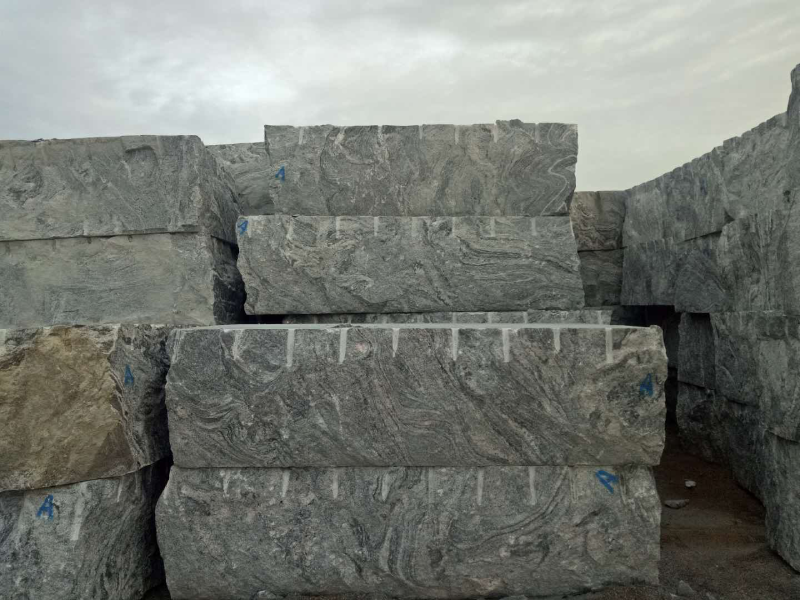
How State Quarrying Policies Shape Granite Availability & Pricing
Granite may be a natural product, but its availability and price aren’t driven by nature alone. State-level mining policies play a big role in what reaches the market — and when.
Each Indian state controls how granite quarries are leased, monitored, and regulated. These policies directly affect:
- Which granite varieties are available
- How easy or hard it is to source blocks
- How competitively priced those blocks are
Here are a few real-world examples:
Rajasthan: Known for its organized sandstone and granite mining sector. Many quarries operate under long-term leases, which means stable supply and more transparency. Rajasthan’s policies make it easier for factories to plan production and offer consistent material, especially from Jalore, Sirohi, and Bhilwara.
Whether you need container loads for export or consistent supply for large projects, we help you source granite from processing units located close to major quarry belts for better pricing, faster dispatch, and reliable quality.
Andhra Pradesh & Telangana: Home to high-demand varieties like Black Galaxy and Tan Brown, but the quarry permissions are tightly controlled. In some districts, there are government restrictions or delays in granting leases for black granite. This can drive up prices, create supply bottlenecks, and even lead to grey-market blocks.
Tamil Nadu: Has a rich history in varieties like Kashmir White and Paradiso, but environmental restrictions and mining bans in certain belts have impacted availability over the years.
Understanding these state-level dynamics helps buyers:
- Anticipate supply fluctuations
- Choose regions with more consistent sourcing
- Avoid delays caused by policy-related slowdowns
Being aware of the regulatory backdrop helps you plan smarter, especially for large or time-sensitive projects. That’s why buyers — especially international ones — often ask specific sourcing questions. Here are some of the most common.
What International Buyers Often Ask Us
When working with overseas buyers — whether they're sourcing for large-scale construction, retail distribution, or direct installation — a few questions always come up:
“Is this from a captive quarry or open market?”
Buyers want to know how close your factory is to the source. Captive quarries often mean better control over quality, supply, and pricing.
“How far is your factory from the quarry?”
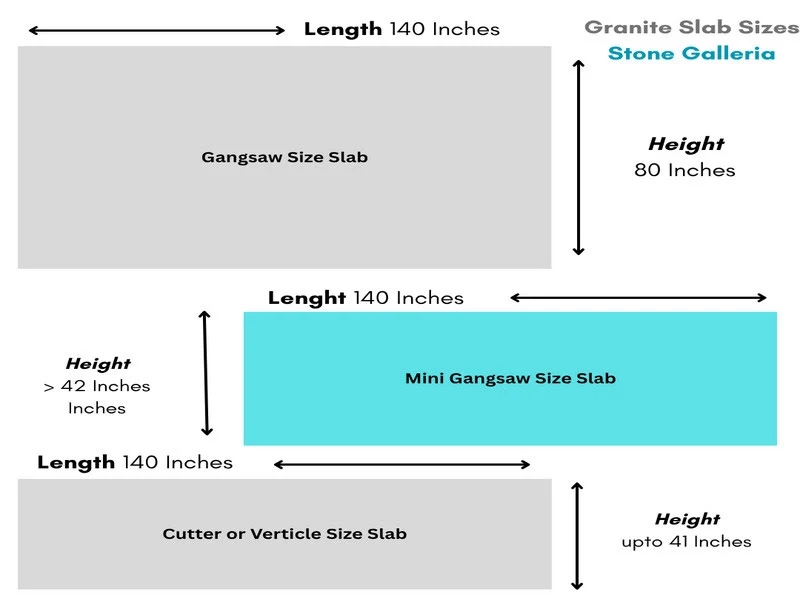
This helps them understand transportation costs and lead time — especially for gangsaw slabs or full container loads.
“What’s the nearest port for export?”
Proximity to ports like Mundra, Vizag, Tuticorin, or Chennai matters when planning logistics and delivery timelines.
“Do you offer consistent supply of this variety?”
For dealers and distributors, consistent patterns, availability, and finish quality matter more than one-time supply.
These questions highlight why understanding quarry locations isn’t just academic — it’s essential for making better decisions, building trust, and staying cost-effective in the global stone trade.
Why Port Access and Logistics Proximity Matter in Indian Granite Mining and Export?
Beyond names and quarry location, buyers also care about how far a quarry is from the factory or port — because that affects pricing, lead time, and availability.
Granite is heavy, bulky, and expensive to move. So even if a particular variety comes from a remote district, its commercial value depends a lot on how easily it can be processed and shipped.
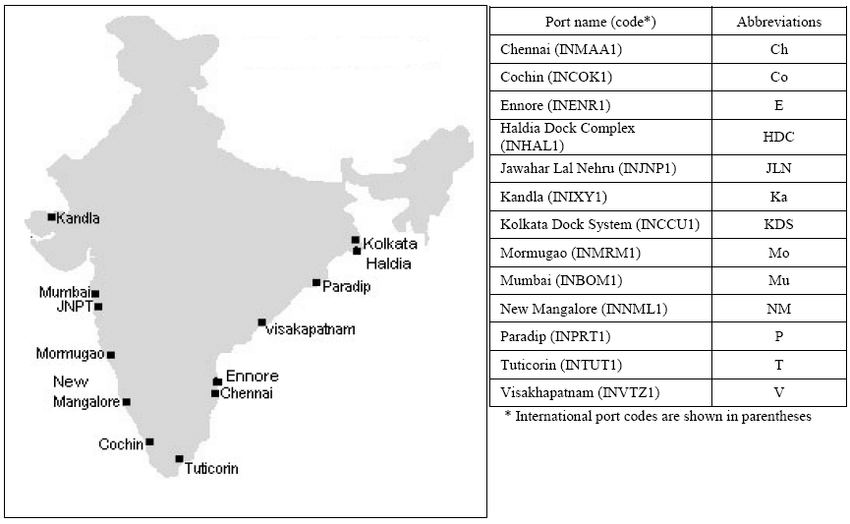
India's granite export supply chain heavily relies on proximity to major ports like:
- Mundra Port (Gujarat) – Key for exports from Rajasthan and Gujarat
- Vizag Port (Andhra Pradesh) – Important for Andhra-based quarries like Chimakurthy, Ongole, and Srikakulam
- Chennai Port & Tuticorin (Tamil Nadu) – Useful for Tamil Nadu and Karnataka granites
- Kolkata & Haldia (for eastern India) – Used less frequently, but strategic for Odisha granites
But quarries are often inland. That’s why processing hubs like:
- Kishangarh & Jalore (Rajasthan)
- Bangalore (Karnataka)
- Karimnagar Belt (Telangana)
- Ongole/Chimakurthy Region (Andhra Pradesh) play a vital role in shaping the logistics route. These areas are well-connected by road and rail to ports and can process, finish, and container-load granite faster.
For you, this means:
- Faster lead times
- Lower inland freight costs
- Easier access to polished slabs, tiles, or custom finishes
- Reduced supply chain layers
So, when choosing granite, it’s not just all about the quarry — it’s about how quickly and efficiently it can reach your site or port.
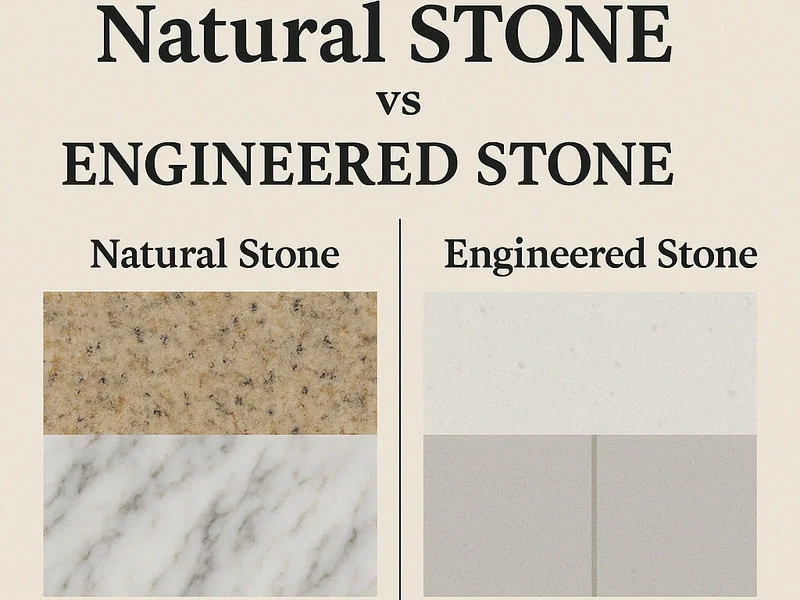
Why Quarry Knowledge Matters More in a World Full of Engineered Alternatives
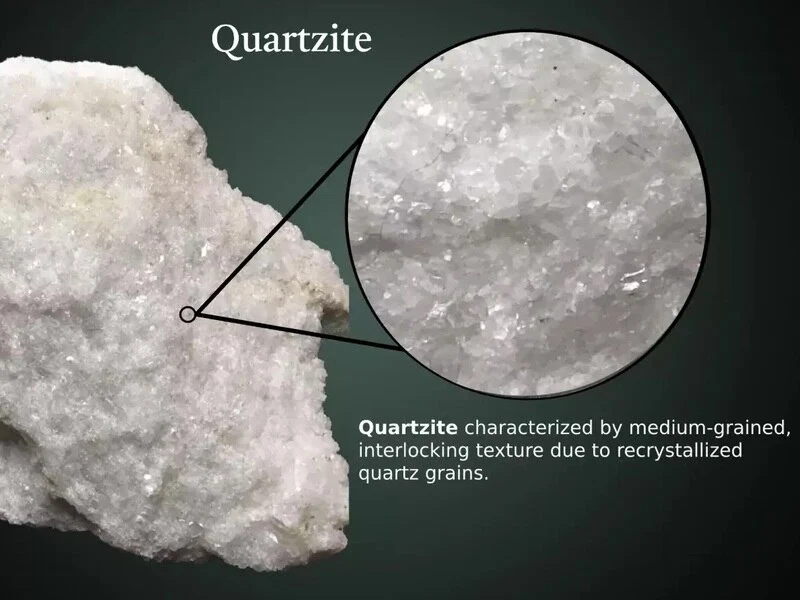
Understanding origin isn’t just about facts — it’s how you ensure you’re getting natural granite, not a lookalike. When you walk into a stone yard or scroll through product listings today, you'll often find quartz, porcelain, or composite stone right next to natural granite. At first glance, they all seem similar — clean surface, polished look, maybe even a granite-like pattern.
But here’s the thing: not all stones are natural, and buyers often don’t realize it until later. That’s where understanding where your granite comes from really matters.
At Stone Galleria, we’ve seen this play out firsthand. Clients often ask: “Is this really Indian granite? Where is it from — Jalore, Chimakurthy, or somewhere else?”
These questions come up because people want proof of origin — something they don’t usually get with engineered surfaces. Natural granite has a traceable story, starting from a specific quarry and ending at your site. Engineered surfaces? Often mass-produced across multiple locations with no regional identity.
Knowing the quarry region gives you more than just confidence in the material — it gives you context, credibility, and control:
- You can match the granite to your climate, usage, and finish preferences.
- You can ask the factory the right questions about consistency and supply.
- You’re less likely to be misled by a stone that looks natural but isn’t.
In today’s market, where “engineered” is often marketed as “stone”, quarry knowledge is your best filter.
At Stone Galleria, we believe informed choices lead to better projects. That’s why we don’t just sell granite — we help you understand it. Want to explore genuine quarry-sourced Indian granite? Let’s talk — and we’ll guide you with location-specific options and factory-level insight.
Disclaimer: While every effort has been made to ensure the accuracy of the information provided, Stone Galleria LLP and its members do not assume responsibility for the correctness or authenticity of the content. We welcome additional information to enhance accuracy and will duly credit contributors for their contributions.