
 Feitelijk Gecontroleerd
Wil je een huis- of bouwproject milieuvriendelijker maken? Je bent niet alleen! Met de groeiende bezorgdheid over onze planeet, wenden veel mensen zich tot duurzame bouwmaterialen. Een opvallende optie is graniet. Maar wat maakt graniet duurzaam? Is graniet echt milieuvriendelijk? Laten we de wereld van graniet duurzaamheid induiken en onderzoeken waarom deze natuurlijke steen het perfecte materiaal voor jouw groene bouwproject zou kunnen zijn.
Graniet is een rockster in de wereld van duurzame materialen. In tegenstelling tot veel fabrieksproducten die energie verbruiken en afhankelijk zijn van op petroleum gebaseerde harsen, komt graniet rechtstreeks uit de aarde. Deze natuurlijke steen ziet er niet alleen goed uit; het heeft ook duurzaamheid en een lange levensduur, wat betekent dat er minder vervangingen en minder afval zijn. Bovendien is graniet 100% recyclebaar en geeft het geen schadelijke chemicaliën vrij in je huis, waardoor het een gezondere keuze is voor jouw gezin en het milieu.
Dus, als je overweegt een milieuvriendelijke renovatie of bouw te doen, blijf dan lezen om te ontdekken waarom graniet jouw favoriete materiaal zou kunnen zijn. Laten we onderzoeken hoe deze tijdloze steen kan bijdragen aan een duurzamere en mooiere wereld!
Is graniet milieuvriendelijk en duurzaam?
Als het gaat om het kiezen van materialen voor jouw huis of projecten, vraag je je misschien af of graniet milieuvriendelijk en of duurzaam is. Om je te helpen begrijpen, laten we eerst verduidelijken wat milieuvriendelijk en duurzaamheid betekenen. Milieuvriendelijke acties draaien allemaal om het minimaliseren van schade aan het milieu—denk aan het verminderen van afval en het gebruik van minder schadelijke materialen. Duurzaamheid, aan de andere kant, is een breder concept. Het gaat om het maken van keuzes die zorgen voor de planeet, mensen en hulpbronnen op een manier die ervoor zorgt dat toekomstige generaties kunnen gedijen.
Bij het evalueren van materialen zoals graniet voor jouw project, is het belangrijk om de bredere context van milieuvriendelijkheid en duurzaamheid te begrijpen. Voordat we ingaan op de vraag of graniet geschikt is, laten we een stap terugnemen en een belangrijk concept verkennen dat je zal helpen weloverwogen keuzes te maken: Wat is een groen bouwmateriaal?
Wat is een Groen Bouwmateriaal?
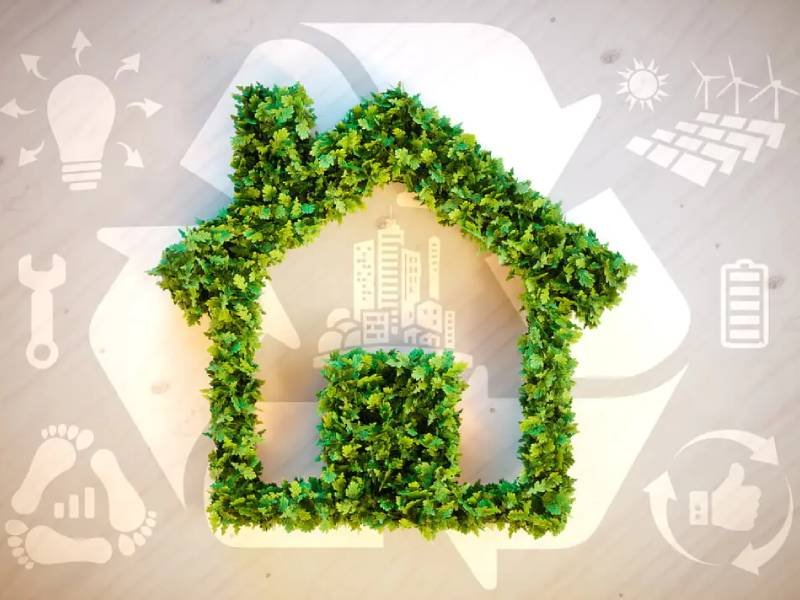
Groene bouwmaterialen, ook wel eco-vriendelijk of duurzaam materiaal genoemd, worden gebruikt in de bouw omdat ze beter zijn voor het milieu. Het gebruik van deze materialen helpt de negatieve impact van het bouwen en onderhouden van structuren te verlagen. Ze worden gekozen omdat ze minder middelen gebruiken, energie besparen, minder vervuiling produceren en de binnenlucht schoon houden.
Stel je voor dat je een huis bouwt dat er niet alleen goed uitziet, maar ook goed aanvoelt omdat je weet dat het de planeet helpt. Dat is de kracht van groene bouwmaterialen! Ze zijn er helemaal op gericht om onze huizen en gebouwen vriendelijker voor de aarde en gezonder voor ons te maken.
Wat is het Voordeel van Groen Bouwmateriaal?
Groene bouwmaterialen bieden een scala aan voordelen die bijdragen aan duurzaamheid, energie-efficiëntie en algemene milieuverantwoordelijkheid. Hier zijn enkele belangrijke voordelen:
- Hulpbronnen Efficiëntie: Groene bouwmaterialen komen vaak van hernieuwbare of snel hernieuwbare bronnen, waardoor de druk op eindige hulpbronnen vermindert. Bovendien dragen materialen met gerecycled materiaal bij aan afvalvermindering.
- Energie-efficiëntie: Veel groene bouwmaterialen zijn ontworpen om de energie-efficiëntie in gebouwen te verbeteren. Dit kan verbeterde isolatie, energiezuinige ramen en materialen omvatten die bijdragen aan een betere thermische prestaties.
- Verminderde Milieu-impact: Groene materialen worden vaak vervaardigd met processen die de milieu-impact minimaliseren, met een focus op lagere emissies, verminderd waterverbruik en minder verontreinigende stoffen.
- Verbeterde Binnenluchtkwaliteit: Groene bouwmaterialen zijn doorgaans laag in vluchtige organische stoffen (VOS) en andere schadelijke chemicaliën. Dit draagt bij aan een betere binnenluchtkwaliteit, waardoor gezondere woon- en werkomgevingen ontstaan.
- Duurzaamheid en Langdurigheid: Groene materialen worden vaak gekozen om hun duurzaamheid en langdurigheid. Dit vermindert de behoefte aan frequente vervangingen en reparaties, waardoor de algehele milieu-impact gedurende de levensduur van een gebouw wordt verlaagd.
Hoe is Graniet een Groene Bouwmateriaal?
Graniet wordt om verschillende redenen beschouwd als een groen bouwmateriaal:
Natuurlijk en Overvloedig: Graniet is een natuursteen, die wijd beschikbaar en overvloedig is. De winning en verwerking hebben minder milieueffecten in vergelijking met synthetische materialen.
Duurzaamheid: Graniet is extreem duurzaam en gaat lang mee. Het hoeft niet vaak te worden vervangen, waardoor de behoefte aan nieuwe materialen wordt verminderd en afval in de loop van de tijd wordt verlaagd.
Laag Onderhoud: Graniet vereist minimaal onderhoud. Het heeft geen agressieve chemicaliën nodig voor reiniging, wat helpt om schadelijke stoffen uit het milieu te houden.
Energie-efficiëntie: Graniet heeft een goede thermische massa, wat betekent dat het warmte kan absorberen, opslaan en langzaam kan afgeven. Dit kan helpen bij het handhaven van binnen temperaturen, wat mogelijk de behoefte aan verwarming en koeling vermindert.
Recyclebaar: Graniet kan worden gerecycled en hergebruikt. Als een granieten structuur of aanrechtblad niet langer nodig is, kan de steen voor andere projecten worden gebruikt, waardoor afval wordt geminimaliseerd.
Geen Afgifte van Gassen: In tegenstelling tot sommige synthetische materialen, stoot graniet geen schadelijke gassen of vluchtige organische stoffen (VOS) uit, wat bijdraagt aan een betere luchtkwaliteit binnenshuis.
LEES | Toepassingen van Granieten Steen: Ontdek Eindeloze Mogelijkheden
Graniet Duurzaamheid: Aanspreken van Milieuproblemen in Groene Bouw
Graniet, hoewel een natuursteen en een duurzaam materiaal, brengt uitdagingen met zich mee met betrekking tot duurzaamheid, vooral als we de eindige aard van de hulpbronnen die betrokken zijn bij de productie ervan in overweging nemen.
.webp)
Beheer van Hulpbronnen:
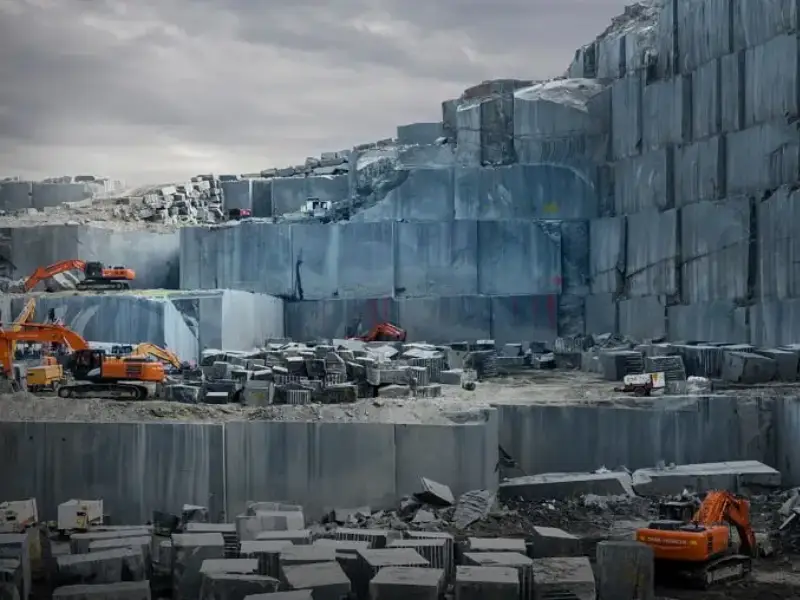
Graniet is een natuurlijke hulpbron, en de winning ervan houdt in dat het uit steengroeves wordt verwijderd. Sommige soorten graniet zijn eindige hulpbronnen, wat betekent dat ze niet onuitputtelijk zijn. Overwinning kan leiden tot verstoring van habitats, verandering van het landschap en uitputting van specifieke granietafzettingen.
Strategische maatregelen en overheidsbeleid hebben met succes de winning van graniet in balans gebracht, rekening houdend met de eindige aard ervan. Gehaald uit steengroeves, worden specifieke soorten graniet, die ooit als niet-hernieuwbaar werden beschouwd, nu duurzaam beheerd. Zorgen over overwinning, waaronder verstoring van habitats en verandering van het landschap, zijn verminderd door verantwoord steengroeibeheer. Selectieve winning, plannen voor hulpbronnenbeheer en rehabilitatie-initiatieven hebben specifieke granietafzettingen behouden.
Verminderen van Energieverbruik:
Het aanpakken van de energieverbruikkwestie in de granietproductie houdt in dat duurzame praktijken worden geïmplementeerd. Moderne technologische winning, hernieuwbare energiebronnen en technologische vooruitgang in de verwerking dragen bij aan het verminderen van de totale energievoetafdruk.
In vergelijking daarmee vereisen alternatieven zoals vitrified tegels en kwarts vaak energie-intensieve productieprocessen. Vitrified tegels vereisen hoge-temperatuur stoken, wat aanzienlijke energie verbruikt, terwijl de productie van kwarts intense verwerking en harsbinding met zich meebrengt. Het lagere energieverbruik van graniet, vooral met duurzame praktijken, positioneert het als een milieuvriendelijkere keuze wanneer men de gehele productcyclus overweegt. Duurzame inkoop- en verwerkingspraktijken in de granietindustrie benadrukken het potentieel om een relatief energie-efficiënte optie te zijn in vergelijking met bepaalde alternatieven.
Afval minimaliseren:
Hoewel graniet zelf niet recyclebaar is, kunnen er inspanningen worden geleverd om graniet uit gesloopte structuren te redden en opnieuw te gebruiken. Dit verlengt de levenscyclus en vermindert de vraag naar nieuwe winning. Bovendien kan gebroken graniet worden gebruikt als aggregaat in de bouw, wat afval vermindert.
Conclusie
De juiste materialen kiezen voor uw huis of bouwproject kan een groot verschil maken in het beschermen van onze planeet. Graniet is een fantastische optie voor degenen die groen willen gaan. Het is een natuurlijk, duurzaam en onderhoudsarm gesteente dat niet alleen mooi uitziet, maar ook de tand des tijds doorstaat. Omdat het recyclebaar is en geen schadelijke chemicaliën afgeeft, helpt graniet onze omgeving schoon en veilig te houden.
Door graniet te gebruiken, doet u niet alleen een slimme investering voor uw eigendom, maar draagt u ook uw steentje bij aan het creëren van een gezondere, duurzamere wereld. Dus, als u wilt dat uw volgende project milieuvriendelijk en verbluffend is, is graniet misschien wel de perfecte keuze voor u. Vergeet niet, groen bouwen gaat over het maken van keuzes die goed voelen en goed doen voor zowel uzelf als de aarde!
Stone Galleria en Duurzaamheid
Bij Stone Galleria zijn we toegewijd aan het maken van een positieve impact op het milieu terwijl we graniet van topkwaliteit leveren. We integreren duurzaamheid in elke stap van ons proces. Bijvoorbeeld, we recyclen water dat wordt gebruikt in de granietverwerking, wat helpt om deze kostbare hulpbron te behouden. We maken ook gebruik van zonne-energie om onze operaties van stroom te voorzien, waardoor we onze ecologische voetafdruk verminderen en schonere energiepraktijken ondersteunen.
Wist u dat het afval dat wordt geproduceerd bij de granietverwerking, bekend als granietslurry, een sleutelrol speelt in andere industrieën? Deze slurry is een belangrijk onderdeel in de productie van verschillende bouwmaterialen, waaronder tegels. Door dit afval opnieuw te gebruiken, dragen we bij aan een circulaire economie, minimaliseren we afval en geven we op betekenisvolle manieren terug aan de aarde.