
 Fact Checked
Curious about granite, quartz, and marble measure up as building stone options? Granite has experienced a surge in popularity over the past few decades, becoming a staple in many buildings. Marble, on the other hand, has stood the test of time as a classic choice for generations of homeowners. Meanwhile, quartz has entered the scene as an engineered yet compelling alternative to both natural stones. Selecting the most suitable option is a decision that will likely endure for years to come. Let’s thoroughly examine both quartz and granite, as well as marble, to aid you in determining the best fit in your deliberation between quartz vs. granite vs. marble.
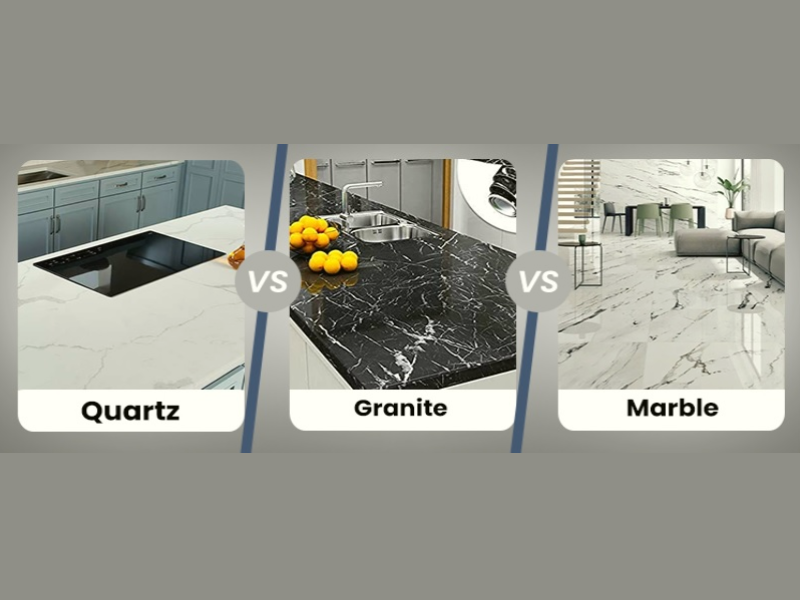
What Is The Difference Between Quartz And Granite And Marble?
Material Composition:
- Quartz:
- Granite: Granite, classified as a rock, comprises various minerals such as quartz, feldspar, and plagioclase. It originated from magma deep within the earth, making it an igneous rock.
- Marble: Marble is categorized as a metamorphic rock, indicating its formation over millions of years from a preexisting rock. Specifically, marble originates from limestone, which undergoes transformation through heat and pressure.
White quartz is a mineral, specifically a crystalline form of silica dioxide (SiO2). Marble and granite, on the other hand, are rocks composed of various minerals. Marble is primarily composed of calcite or dolomite minerals, while granite is a mixture of minerals such as quartz, feldspar, and mica. So, while quartz is a specific mineral, marble and granite are classified as rocks due to their composition of multiple minerals.
READ | The Reason for Material Selection: Engineered Stone Vs Natural Stone
How Do The Appearances Of Quartz, Granite, And Marble Compare To Each Other?
When it comes to appearance, each of these stones offers distinct qualities:
Quartz:
- Versatile and customizable, with a wide range of colors and patterns available.
- Can mimic the look of natural stones like granite and marble or offer unique designs.
- Uniform appearance, with consistent patterns and colors throughout the slab.
- Can achieve modern or classic aesthetics, depending on the design.
Granite:
- Natural beauty shaped by geological processes, resulting in unique patterns and colors.
- Each slab is one-of-a-kind, showcasing variations in veining, flecks, and color gradients.
- Offers a wide range of colors, from earthy tones to vibrant hues.
- Provides a timeless and organic look, adding character to any space.
Marble:
- Exudes sophistication and luxury, prized for its classic veining and elegant appearance.
- Distinctive veining patterns add depth and visual interest to the surface.
- Typically lighter in color, with options ranging from white and beige to soft pastels.
- Creates an ambiance of timeless elegance and refined beauty.
READ | Granite vs. Quartzite: Comparing Two Titans of the Natural Stone World
What Are The Differences In Maintenance And Care Requirements Between Quartz, Granite, And Marble?
Maintenance and care requirements vary between quartz, granite, and marble:
Quartz:
- Requires minimal maintenance, as it is non-porous and resistant to stains, scratches, and bacterial growth.
- Easy to clean with mild soap and water.
- Does not require sealing.
- Can be damaged by excessive heat, so caution should be exercised with hot pans.
Granite:
- Needs periodic sealing to protect against stains and moisture absorption.
- Requires regular cleaning with mild soap and water to maintain its beauty.
- Can be damaged by acidic substances, so spills should be promptly cleaned.
- Resistant to heat, but prolonged exposure to high temperatures can cause damage.
Marble:
- Requires regular sealing to prevent staining and etching from acidic substances.
- More prone to scratching and staining compared to quartz and granite.
- Requires careful handling to avoid damage.
- Susceptible to heat damage, so hot items should not be placed directly on the surface.
READ | Granite Vs. Marble: Similarities and Differences between Granite and Marble
Design Choices in Granite vs Quartz vs Marble
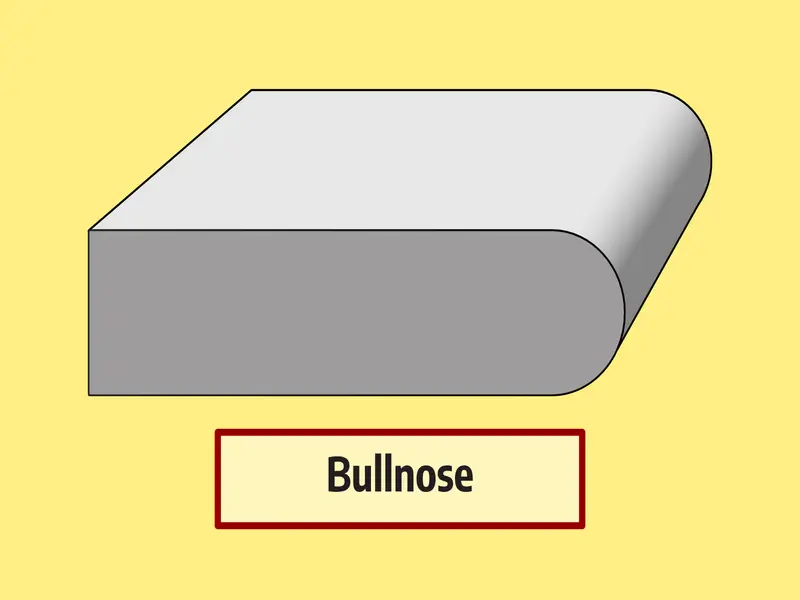
- Quartz: Offers abundant design options, from prefabricated slabs to custom-built creations, with various patterns and edge styles.
- Granite: Each piece is unique, showcasing natural variations in colors and patterns, with options ranging from simple to complex designs.
- Marble: Known for its timeless elegance and luxurious appearance, with distinctive veining and one-of-a-kind patterns.

Marble Vs Granite Vs Quartz Price
The prices of marble, granite, and quartz can vary based on factors such as quality, color, availability, and location. However, in general:
- Marble is often considered the most expensive option among the three, with prices typically ranging from mid to high range per square foot installed.
- Granite is also considered a high-end option, with prices averaging around mid to high range per square foot installed.
- Quartz tends to have a wide range of prices, depending on factors such as brand, design, and customization options, with prices ranging from mid-range to high-end per square foot installed.
Overall, marble and granite are often perceived as luxury materials, while quartz offers a broader range of price options to accommodate different budgets.
READ | Why Natural Stone Is Cheaper In The Long Run Compared To Engineered Options
Longevity of Granite, Marble & Quartz
- Quartz: Typically comes with limited warranties, reflecting manufacturers’ confidence in its durability and longevity.
- Granite: Known for its longevity, with estimates suggesting a lifespan of up to 100 years or more with proper care.
- Marble: Durable but requires meticulous maintenance to ensure longevity and retain its beauty over time.
Water and Heat Resistance:
- Quartz: Resistant to moisture and heat, but caution should be exercised to avoid damage to the resin component.
- Granite: Properly sealed granite countertops can withstand moisture and heat, providing durable performance in kitchens and bathrooms.
- Marble: Requires careful handling around moisture and heat to prevent damage and maintain its integrity.
Environmental Impact:
- Quartz: Environmental impact varies depending on manufacturing processes and sourcing of materials, with considerations for chemical resins and transportation.
- Granite: Sourcing and transportation contribute to environmental impact, but its natural composition makes it a relatively eco-friendly option compared to synthetic materials.
- Marble: Similar to granite, marble’s natural composition makes it a sustainable choice, but considerations for quarrying and transportation apply.
READ | Original Environmentally Conscious Green Building Material. Is Granite Sustainable?
Conclusion: Granite vs. Marble vs. Quartz
For those who prefer minimal maintenance, quartz provides a beautiful engineered option. It’s resistant to staining and scratching, making it an ideal choice for busy households. Plus, it can seamlessly integrate as both countertops and backsplashes.
Marble, known for its timeless appeal and versatility in colors and styles, is also durable. However, it requires regular maintenance such as re-sealing every few months and caution against acidic spills.
Granite offers a wide range of colors and styles, coupled with durability and low maintenance, making it an excellent choice for many homeowners.
Ultimately, each material has its advantages, and by considering factors like aesthetics, maintenance, and durability, you can determine the best fit for your home.
Stone Galleria
At Stone Galleria, we go beyond supplying materials – we forge partnerships built on trust and efficiency. Our focus on meeting the unique needs of businesses ensures dependable and affordable supply chain solutions. As a top provider of Granite, Sandstone, and Quartzite, we customize products to your exact requirements. Start improving your operations today with a complimentary quote. Simply fill out our inquiry form, and we’ll swiftly address your requests. Count on us for expertise, reliability, and responsiveness.