
 Fact Checked
Selecting the right granite color—dark or light—is a fundamental step in designing any space. Whether you’re planning for countertops, backsplashes, flooring, stairs, or outdoor areas like patios and pavers, the choice of granite color can have a significant impact on both functionality and aesthetics.
While architects and interior designers may suggest specific tones, understanding the reasoning behind these recommendations can be difficult, especially if you have a different preference. The decision goes beyond appearance—there are practical considerations for choosing light-colored granite in some areas and dark granite in others.
At Stone Galleria, our expertise as a leading granite supplier and manufacturer helps guide you through this process. We provide clear, professional advice to ensure your choice not only complements your design but also meets the funcational or practical and maintenance needs.

Is It Better To Have Dark Or Light Granite?
When selecting a granite shade, it’s essential to weigh the benefits of both dark and light options. This decision impacts not just the aesthetics of your design but also practical aspects like maintenance, durability, and overall functionality. The journey begins with understanding the mineral composition, which has an important bearing on the granite’s properties, performance and apperance.
Dark Granite vs. Light: Understanding the Color Differences
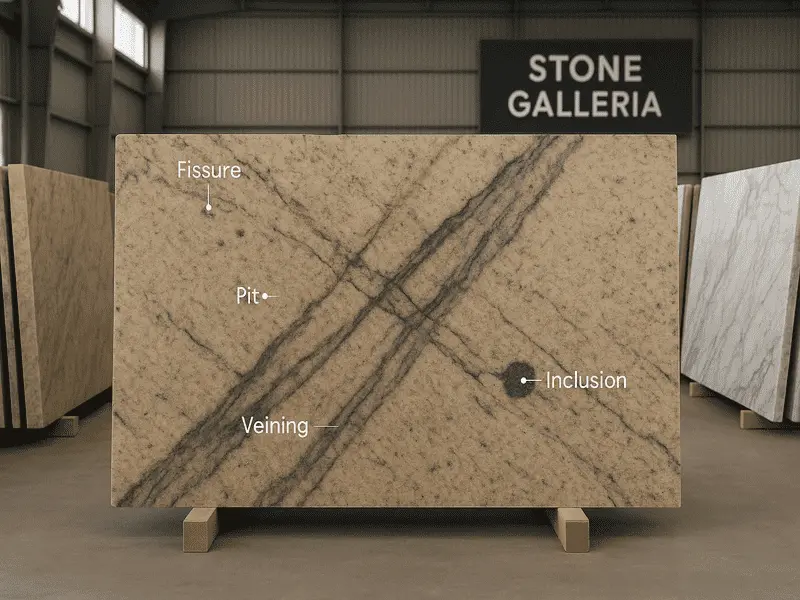
Granite rarely appears in plain solid colors; it typically features a base color complemented by patterns in other colours that can be dark or light in the form of grains, speckles, lines, or waves. According to the Indian Bureau of Mines, approximately only 7% of Indian granite resources are classified as black (nearly solid), while 92% falls under colored granite with multiple colours or hues of dark or light.
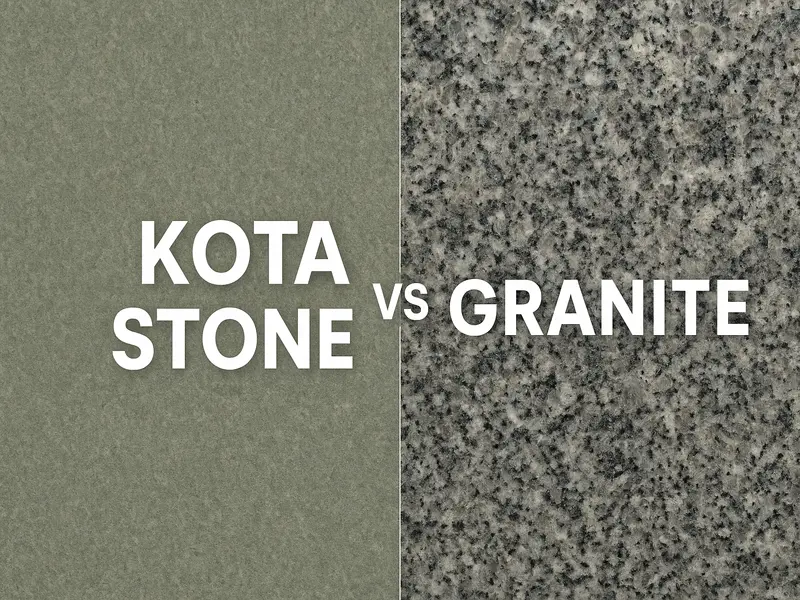
The distinction between light and dark granite is primarily determined by the prominent base color, influenced by the stone’s mineral composition. Dark granite contains a higher concentration of darker minerals, such as biotite and hornblende, contributing to its deep hues. In contrast, light granite features greater amounts of lighter minerals like quartz and feldspar, resulting in a softer appearance.
Explained | Why Granite Colours Range From White To Black
How Mineral Composition Determines Your Choice
The minerals in light and dark granite vary in hardness and resistance to weathering, staining, and scratching. Understanding these properties allows you to select granite that meets the durability requirements for specific applications.
Light Granite:
- Quartz: Provides high scratch resistance, ideal for high-traffic areas.
- Feldspar: Helps maintain light color and makes the stone easier to cut and shape.
- Mica: Adds subtle shine and flexibility, reducing the risk of cracking.
- Lower Porosity: Higher quartz content reduces staining risks and simplifies cleaning.
.webp)
Dark Granite:
- Biotite: Contributes to the rich colors of dark granite.
- Hornblende: Enhances strength and weather resistance, suitable for outdoor applications.
- Amphibole: Increases stability, reducing the risk of cracking.
- Thermal Stability: Biotite provides thermal stability, making it ideal for outdoor steps and patios.

While light granite excels in scratch resistance, dark granite offers significant durability as well. The abundant availability of dark granite contributes to its perception as a premium option, despite comparable durability.
However, the overall durability of granite is influenced by several factors, including the specific mineral makeup, the density of the granite, and how well it is processed and sealed.
.webp)
Practical Reasons to Choose Dark vs. Light Granite
When choosing between light and dark granite, consider the unique practical benefits of each:
Reasons to Choose Light Granite:
- Scratch Resistance: Ideal for kitchen countertops and high-traffic areas.
- Stain Resistance: Lower porosity reduces staining risks, ensuring a clean appearance.
- Design Versatility: Complements a wide range of color palettes and styles.
- Visual Space Expansion: Light colors can make spaces feel larger and more open.
- Heat Reflection: Reflects heat better, beneficial in warmer climates.
- Fading Resistance: Higher feldspar content reduces fading.
Reasons to Choose Dark Granite:
- Aesthetic Appeal: Provides a bold look that contrasts beautifully in modern and luxury interiors.
- Stain and Scratch Concealment: Hides imperfections better than lighter shades.
- Thermal Stability: Suitable for outdoor applications due to thermal stability.
- Durability in Harsh Conditions: Resilient for exterior surfaces.
- Unique Patterns: Striking patterns add visual interest.
.webp)
Design Needs to Choose Light Vs Dark Granite
We have understood the practical reasons for choosing light or dark granite, but sometimes design considerations take precedence over practical aspects. It’s often necessary to find a balance between the two to maximize both design appeal and functionality, even if that means putting in extra effort to maintain one over the other. Let’s examine the design benefits of dark versus light granite.
Design Benefits of Light Granite
Bright and Airy Feel: Light granite creates a sense of openness and brightness, making spaces feel larger and more inviting. This can be especially beneficial in smaller rooms or areas with limited natural light.
Design Flexibility: The neutral tones of light granite can complement a wide range of design styles, from contemporary to traditional. It pairs well with various color palettes and materials, allowing for greater design flexibility.
Classical Choice: Light granite typically features subtle patterns and veining that introduce a hint of sophistication without dominating the overall design. Its refined elegance is particularly suited for minimalist environments. Additionally, light granite boasts a classic and timeless appearance that withstands changing trends, helping to keep your design fresh and stylish for years to come.
Enhances Natural Light: Light-colored surfaces reflect natural light, brightening the entire space and creating a warm and welcoming ambiance.
Aesthetic Benefits of Dark Granite
Dramatic Contrast: Dark granite creates a bold visual impact, providing a striking contrast against lighter colors and materials. This can add depth and dimension to a space, making it feel more dynamic.
Rich, Luxurious Appearance: The deep, rich colors of dark granite can evoke a sense of luxury and sophistication, making it a popular choice for high-end designs.
Unique Patterns and Veining: Dark granite often features eye-catching patterns and veining that can serve as a stunning focal point in any space.
Warmth and Coziness: The darker tones can create a warm and inviting atmosphere, making spaces feel more intimate and comfortable, which is particularly beneficial in living areas.
Highlighting Other Design Elements: Dark granite can serve as a beautiful backdrop that enhances other design features, such as cabinetry, fixtures, and decorative elements, allowing them to stand out.

Dark Granite vs. Light Granite: Which Requires More Maintenance?
| Aspect | Dark Granite | Light Granite |
| Stain Resistance | – Better at concealing stains due to dark color. – Needs sealing every 1-3 years to maintain resistance to stains and moisture. | – Shows stains more readily, especially from oils, red wine, and acidic substances. – Requires sealing every 6-12 months to prevent staining. |
| Scratch Visibility | – Scratches are less noticeable on dark surfaces. – Polishing may be needed in high-traffic areas if scratches occur. | – Scratches are more visible, making it essential to avoid sharp objects and abrasive tools. – May need polishing if scratches are present. |
| Cleaning Solutions | – Can be cleaned with mild soap and water or a pH-balanced cleaner. – Avoid acidic or abrasive cleaners to prevent dulling the finish. | – Should be cleaned with mild soap and water or a pH-balanced cleaner. – Caution with acidic substances (like vinegar) as they can etch the surface. |
| Cleaning Frequency | – Regular cleaning (weekly) is sufficient. – More thorough cleaning required in high-traffic areas to maintain appearance. | – May require more frequent cleaning, especially in kitchens or areas prone to spills. – Weekly or as needed for cleanliness |
| Drying Requirements | – Wipe down surfaces to remove excess moisture and prevent water spots. | – Essential to dry surfaces thoroughly to avoid water stains or streaks |
| Durability | – Generally durable; less prone to visible wear and tear. – Good thermal stability makes it suitable for outdoor applications. | – Also durable, but may show wear more quickly due to visible scratches and stains. – Good thermal stability, but requires careful handling |
| Maintenance Recommendations | – Regular sealing, cleaning, and occasional polishing. – Use coasters and cutting boards to minimize damage. | – Frequent sealing, regular cleaning, and careful handling. – Use coasters and cutting boards to protect the surface. |
| Overall Maintenance Level | – Generally requires less maintenance due to scratch concealment and stain resistance. | – Requires more maintenance due to visibility of stains and scratches. |
Making the Right Choice
Choosing between dark and light granite involves more than just aesthetics; it requires a thorough understanding of each option’s unique characteristics, maintenance needs, and design implications. While dark granite offers a bold, luxurious look and tends to conceal stains better, light granite can create an airy, spacious feel and provides versatility in design.
Ultimately, the right choice depends on your specific requirements, including your lifestyle, design preferences, and the intended use of the granite surfaces. By carefully considering these factors, you can select a granite that enhances your space while meeting your practical needs.
At Stone Galleria, we strive on helping you make informed decisions for your home or project. Explore our extensive range of granite options to find the perfect fit for your design vision.
Discover our collections today! Explore Dark Granite, Browse Light Granite, or View Indian Granite options to find the ideal colors and patterns for your project. Looking for something specific? Check out our Granite Colours section for more inspiration!