
 Fact Checked
Ever wondered if granite is safe for cooking? You’re not alone. Granite countertops are a popular choice in kitchens because they look great and are incredibly durable. But if you’re using your granite surface for food prep, you might be asking, “Is granite food safe?”
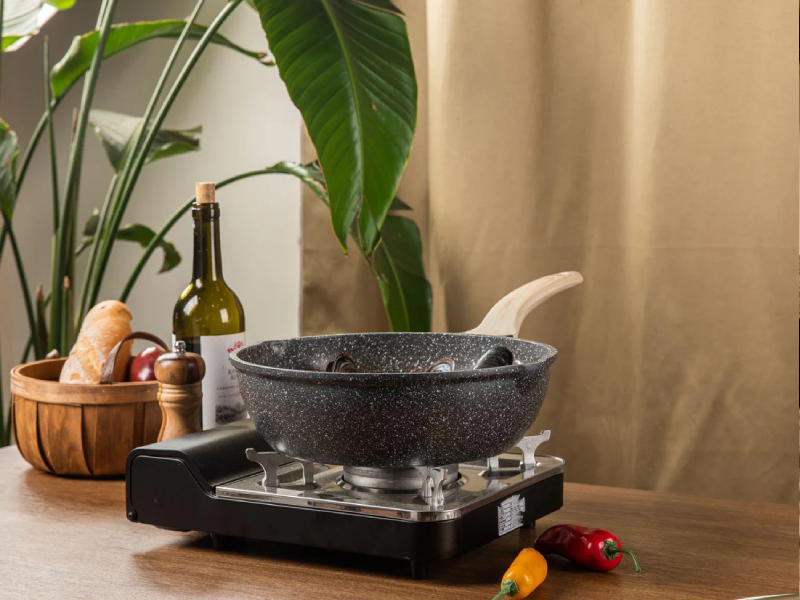
Let’s cut through the confusion. Granite is a natural stone that stands up to spills, stains, heat and the everyday chaos of a busy kitchen. But there’s been a lot of chatter about potential health risks associated with granite countertops, particularly around the idea that they might release harmful substances. Some folks worry that granite could be dangerous due to radon or other issues.
Here’s the truth: most granite countertops are perfectly safe and free from any significant health risks. The concerns about radon and radiation are often based on misunderstandings or extreme cases. Properly sealed granite surfaces don’t pose a significant health threat. Plus, granite is generally easy to clean and maintain, making it a practical choice for your kitchen.
So, if you’re concerned about whether granite is safe for cooking or if it could be a health hazard, don’t let the myths scare you off. With a little care and the right maintenance, your granite countertop can be a stylish and safe addition to your kitchen. Let’s explore how granite holds up in the kitchen and why it might be just the surface you need!
What Is Granite?
Granite is a natural stone that forms deep under the Earth’s surface from molten rock. It’s made up of minerals like quartz, feldspar, and mica, which give it its unique look and strength. When granite is used for countertops or cookware, it’s usually sealed. This sealing helps protect it from stains and keeps it more hygienic by reducing bacterial growth.
Also READ: Sustainable Granite & Natural Stone | Green Building Material
How Granite Is Used In The Kitchen To Cook Food?
In a granite kitchen, the areas that typically come in direct contact with food include:
Countertops: Granite countertops are a primary surface for food preparation. They provide a spacious and durable area for tasks like chopping, slicing, and rolling out dough.
Cutting Boards: Granite cutting boards are used for chopping and preparing food. These boards offer a solid and hygienic surface that is resistant to bacterial growth.
Sinks: Granite sinks, especially those made from granite composite materials, are used for washing and cleaning fruits, vegetables, and dishes.
Islands and Tables: Kitchen islands or tables with granite surfaces serve as additional areas for food preparation and serving.
- Mortar and Pestle: A mortar and pestle made of granite is a traditional kitchen tool used for grinding and crushing herbs, spices, and other food ingredients. It consists of a heavy, bowl-shaped container (the mortar) and a blunt club-shaped tool (the pestle).
Also READ | Granite vs. Corian: A Comprehensive Guide to Choosing the Right Surface
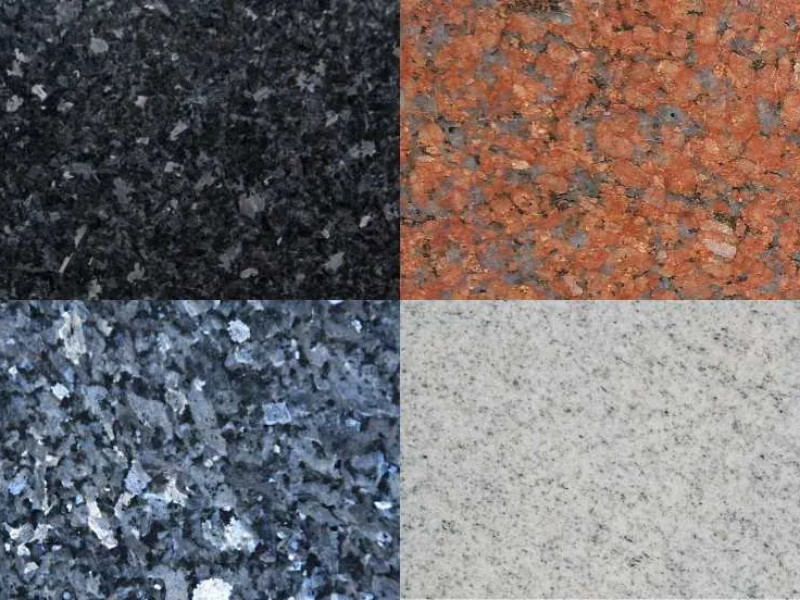
Biggest Health Concern with Granite for Cooking
One health concern with granite is that it can sometimes contain tiny amounts of natural radioactive elements like uranium, thorium, and radium. These elements can give off a bit of radiation. But here’s the good news: most granite used for things like countertops has really low levels of this radiation. So, the health risks are very low and not something to worry about.
Read More on Granite Countertops and Radiation
What Are Other Health Concerns Related To Granite?
Silica Dust Exposure: Granite contains crystalline silica, a mineral that, when inhaled as dust during cutting or fabrication processes, can pose health risks. Prolonged exposure to airborne silica dust may lead to respiratory issues, such as silicosis. It’s essential to use proper safety measures, such as wearing masks and using ventilation systems, to minimize dust exposure.
Chemical Sealants and Cleaners: The sealants and cleaners used on granite surfaces can contain chemicals that may cause allergic reactions in some individuals. Opting for food-safe and non-toxic sealants and cleaning products can mitigate this concern.
Maintenance Product Residue: Residue from certain cleaning or maintenance products, if not properly rinsed, may come in contact with food. Choosing gentle, non-toxic cleaning agents and ensuring thorough rinsing can prevent any potential ingestion of harmful residues.
Sealing and Porosity: Granite is naturally porous, meaning it has a low absorption rate. However, some granites are more porous than another, meaning it has tiny openings that can absorb liquids. If not properly sealed, granite countertops can potentially harbor bacteria and facilitate the growth of contaminants. However, routine sealing and proper maintenance can mitigate this risk, ensuring a safe food preparation surface.
ALSO READ | Granite for Building: Exploring the Differences Between Granite Slabs and Tiles
Addressing Specific Concerns
While granite is generally considered safe for food contact, some individuals may have specific concerns about the presence of particular minerals or substances in the stone. It’s essential to address these concerns by consulting with the manufacturer or a knowledgeable professional.
Tips For Safe Usage Of Granite In Kitchen For Food Preparation
Sealing and Maintenance:
- Ensure that your granite countertops are properly sealed to create a protective barrier against stains and bacteria. Follow the manufacturer’s recommendations for sealing frequency.
- Regularly clean your granite surfaces with a mild, pH-balanced cleaner or a mixture of gentle dish soap and water.
Avoid Harsh Cleaners:
- Refrain from using abrasive cleaners or those containing harsh chemicals on your granite countertops, as these can damage the sealant and the stone itself.
Radon Awareness:
- While the risk is generally low, if you live in an area prone to radon issues, consider testing your home for radon gas. Adequate ventilation can help mitigate any potential concerns.
Choose Food-Safe Sealants:
- When resealing your granite, opt for food-safe sealants. These products are designed specifically for surfaces that come into contact with food, ensuring an extra layer of safety.
Consult with Professionals:
- If you have specific concerns or questions about the safety of your granite countertops, consider consulting with professionals in the industry or the manufacturer for personalized advice.
By following these tips, you can maintain the beauty and functionality of your granite countertops while ensuring a safe and hygienic environment for food preparation in your kitchen.
You Might Also Like
- Is Granite Porous? or Non-porous or How Porous Is it?
- Does Granite Stain? Understanding the Risks, Prevention & Solution
- Quartzite Heat Resistance: A Comprehensive Guide
- What Is The Hardness Of Granite? Understanding Granite Hardness on the Mohs Scale
- Does Granite Scratch? Can It Be Scratched? Will Granite Scratch? Learn About Granite Scratch Resistance