
 Fact Checked
Anything in your home or building holds value, especially since buying and installing it likely required significant time, effort, and money. Certain elements, like flooring, walls, or countertops, are particularly more important because redoing or reinstalling them while occupying the space can be incredibly disruptive to daily life. To avoid such hassles, proper maintenance is key—and one simple step can help prevent major issues altogether: sealing. Granite sealing—or stone sealing—is essential not just for granite but for all types of natural stone, including sandstone, marble, travertine, slate, and quartzite.

Why Granite Sealing is Single Most Important Maintenance Need?
Granite, like most natural stones, is porous. The level of porosity can vary between different types of natural stones like sandstones, granite, or even quartzite. There’s no such thing as a completely non-porous natural stone. Without sealing, liquids like water, oil, and other substances can penetrate the surface, causing stains, etching, and potential damage. Applying a sealant creates a protective barrier, helping to prevent stains and maintain the stone’s appearance for years.
Sealing is often recommended for natural stone because it helps protect and preserve it. Some people think sealing isn’t necessary, but it makes a big difference in preventing stains, damage, and wear. It’s a simple step that keeps your stone looking good for years.
Granite is usually multicolored with primary and accent shades, giving it a unique, natural look. Solid-colored granite is rare, and even uniform options often show subtle variations.
The effects of not sealing often become noticeable only after a while, as damage and wear happen gradually. By the time the changes are visible, it might be too late to reverse them.
ALSO READ | Is Granite Porous? or Non-porous or How Porous Is it?
HOW TO CHOOSE THE BEST GRANITE SEALER

Testing

- Before Image (with stains):
- Apply various liquids and materials (Water, oil, coffee, tea, turmeric, and other common staining agents) to the surface of the stone.
- Mark the sections “A,” “B,” “C,” and “D” represent different types of sealants that are be applied to the stone before testing.
- This stage helps simulate real-life conditions where stones are exposed to spills in kitchens, bathrooms, or outdoor settings.
- After Image (Post cleaning):
- The same sections are shown after cleaning the surfaces.
- The degree to which the stains remain visible indicates the effectiveness of the sealant used, or the natural resistance of the stone to staining.
- The differences between sections “A,” “B,” “C,” and “D” reveal how well each treatment or finish resists staining.
- Assess how well each sealant resists staining, maintains the granite’s natural appearance, and avoids unwanted effects like a cloudy finish.
- Select the sealant that provides the best protection and enhances the look of your granite without altering its natural beauty.

Which is Best Granite Sealant?
With so many granite sealants available, there is no “one-size-fits-all” solution. There isn’t a single best sealant for all types of granite. Each granite has a unique mineral composition, and different sealants have varying chemical compositions. The key is finding the right sealant that suits the specific granite. When applied, sealants can cause color variations and affect stain resistance. The best way to choose the right sealant is to test a few options on a sample and see which one works best for your granite.
As shown in the testing images, applying different sealants to granite samples and exposing them to stains is the best way to check their performance. This helps you choose a sealant that protects the granite, maintains its look, and shows how much the color might change, ensuring durability.
Why No Single Sealant Works for All Granite?
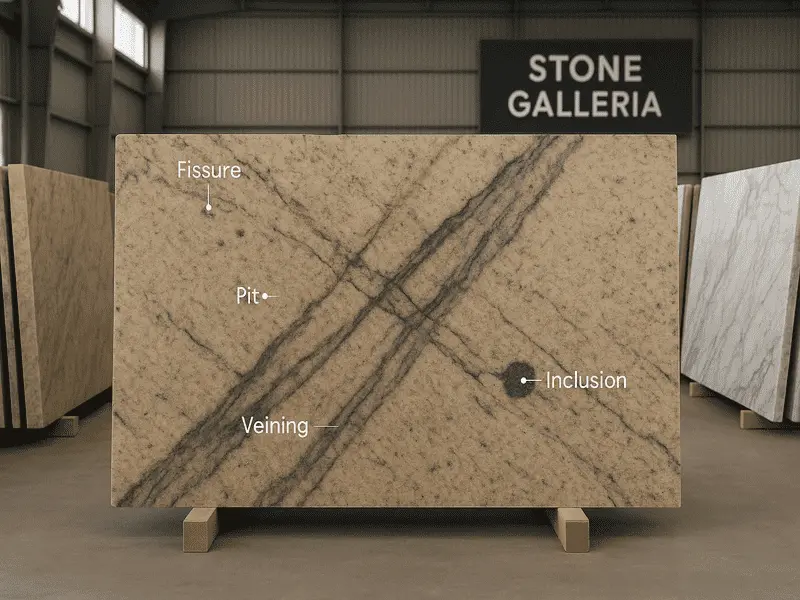
No single sealant works for all granite because it’s essential to understand the manufacturing process of granite slabs and tiles before selecting a sealant. During manufacturing, resin coating is applied to the stone to fill voids, veins, and fissures. This process, originally developed to stabilize otherwise unsellable stone, has become widely used over time. Most manufacturers now apply resin coating to all materials for simplicity, but the type of resin used varies between manufacturers. As a result, not all sealants will perform equally on resin-coated granite.
If you apply a sealer to granite with an “unknown” resin, it might result in a cloudy finish. This is why testing the sealer beforehand is crucial. Always consult your supplier or test the sealer on a sample piece of granite before applying it to the entire surface. Ensure the sample is from the same batch or manufacturer, as this increases the likelihood of the same resin being used. Proper testing helps prevent issues and ensures the granite maintains its desired appearance.
Types of Granite Sealers
Choosing the right sealer depends on your granite’s finish and exposure to wear.
- Penetrating Sealers: Absorb into the stone, offering deep protection without altering the surface appearance.
- Topical Sealers: Create a protective layer on top but may affect the stone’s texture and gloss.
Expert Tip: Use a water-based, food-safe penetrating sealer for kitchen countertops.
ALSO READ | Does Granite Stain? Understanding the Risks, Prevention & Solution

How to Seal Granite Countertops
Sealing granite is a straightforward process. Here’s how to do it:
Materials Needed for Sealing Granite
- Granite cleaner
- Microfiber cloth
- Granite sealer
- Gloves
- Soft sponge or applicator
Instructions for Sealing Granite
- Clean the Surface
- Wipe down the countertop with a pH-neutral granite cleaner.
- Remove dirt, grease, and debris. Ensure the surface is completely dry before sealing.
- Apply the Sealer
- Put on gloves to protect your hands.
- Using a soft sponge or applicator, evenly apply the sealer over the surface in small sections.
- Let It Soak
- Allow the sealer to penetrate the stone for 15–20 minutes (check product instructions).
- If the sealer dries before this time, reapply to keep the surface damp.
- Wipe Off Excess
- Use a clean microfiber cloth to remove excess sealer.
- Buff the surface for a streak-free finish.
- Allow Curing Time
- Let the sealer cure for at least 24 hours before using the countertop.
ALSO READ |Why Choose Granite: Comparing Hardness, Porosity, Stain Resistance, and Durability

When to Seal or Reseal Granite Countertops
Knowing when to seal your granite is just as important as the process itself. Here’s how to tell:
- Perform the Water Drop Test
- Pour a few drops of water onto the surface.
- if water darkens the stone, it needs a sealer.
- If the water soaks in within 10 minutes, it’s time to reseal.
- If it beads up, your countertop is still protected.
- How Often to Seal
- High-use areas (e.g., kitchen countertops): Seal every 1–2 years.
- Low-use areas (e.g., bathroom vanities): Seal every 2–3 years.
Treating Granite Countertops Between Sealings
Proper care between sealings helps prolong the life of your countertops.
- Daily Cleaning:
Use a mild, pH-neutral cleaner to avoid damaging the seal. Avoid harsh chemicals like vinegar or bleach. - Quick Stain Treatment:
Blot (don’t rub) spills immediately to prevent staining. For tougher stains, use a granite poultice. - Avoid Direct Heat and Heavy Impacts:
While granite is heat-resistant, using trivets or hot pads is advisable.
Sealing Granite for the First Time vs. Resealing
Sealing granite for the first time requires more attention to detail. Here’s how it differs:
First-Time Granite Sealing
Ensure the stone is clean, dry, and free of any residue from installation materials.
Resealing Granite
Focus on cleaning and refreshing the existing surface without stripping the sealer unnecessarily.
Conclusion
Sealing your granite countertops is a simple but crucial step in maintaining their beauty and longevity. Proper sealing protects the stone from stains, moisture damage, and everyday wear while preserving its natural appearance. Whether you’re sealing granite for the first time or resealing it after some use, following the correct process ensures your surfaces remain in top condition for years to come. Regular maintenance, including performing a water drop test and using a good granite sealant, can prevent costly repairs and replacements, helping your investment last longer.
Protect your granite countertops with the finest sealants. As a leading manufacturer of high-quality granite in India, Stone Galleria offers a wide range of durable, premium granite products. Browse our selection of granite slabs and tiles for kitchens, bathrooms, and outdoor spaces. Contact us today for expert advice, custom sizes, and sealing recommendations.