
 Fact Checked
Stepping into a room, moving between spaces, or entering a building all involve crossing a threshold. This horizontal piece marks the boundary as you pass through a doorway. Often, each area has a different type of material or colour to break the monotony. It’s common to use various types of thresholds to create smooth transitions between these materials, making the space look better and work well.
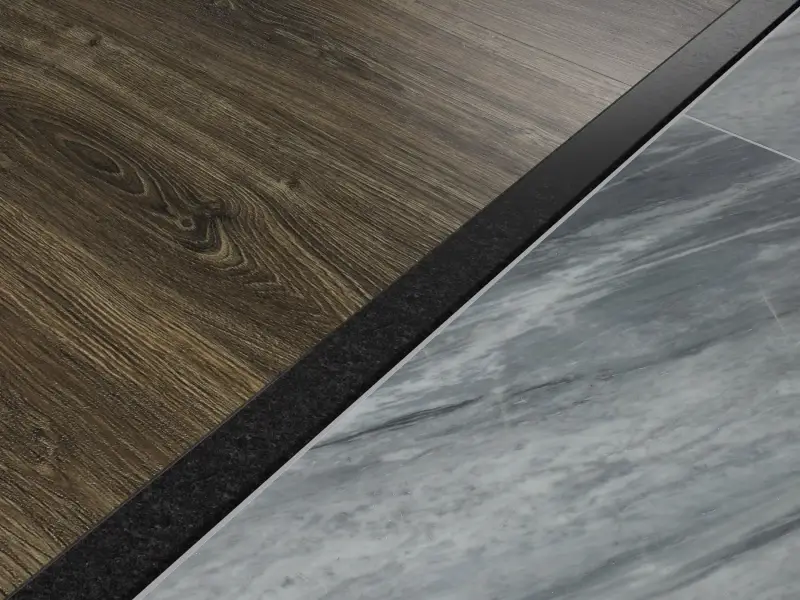
One such material used for thresholds is granite. It’s a popular choice for several reasons, which we’ll explore further. The vast majority of interior designers now consider granite thresholds essential. They help seamlessly connect different floor surfaces and protect against damage from wear and water. Many architects and designers suggest using them in almost every doorway, except those with sliding mechanisms.
Understanding the advantages and drawbacks of granite saddles is crucial for builders and property developers. It helps them decide whether to use these durable and visually appealing features in their projects to make them work better and look great.
What are Granite Thresholds?
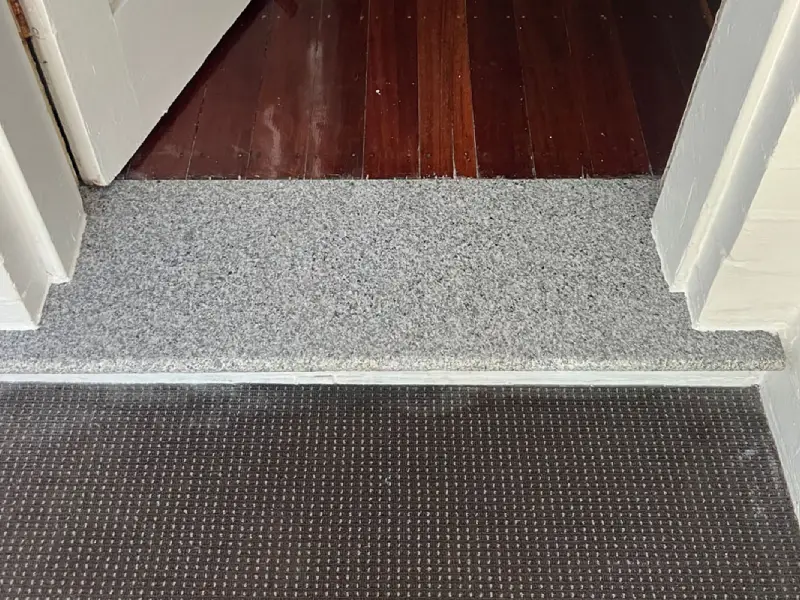
A granite threshold, also called a doorway stone transition or granite door saddle, seamlessly blends two distinct types or colors of flooring, such as wood, carpet, or tile, by being strategically placed in doorways or transition points between different flooring materials. This flat piece of granite creates a cohesive and smooth appearance.
READ | Choosing the Right Natural Stone for Exterior Wall Cladding: A Comprehensive Guide

When should you use the granite door saddle?
Granite thresholds are perfect for blending different flooring materials seamlessly, both indoors and outdoors. They’re especially handy in areas where there’s a transition between wet and dry spaces, such as bathrooms, kitchens, or laundry rooms. By keeping water contained, they maintain the integrity of your floors. Additionally, granite thresholds are great for creating separation between different areas within a building, like doorways between rooms or leading from inside to outside. They not only add a polished touch to your space but also serve a practical purpose in defining areas and protecting flooring edges from wear and tear.
Where are granite thresholds commonly used?
You can install door transition stone in any doorway or where two types of flooring meet. They’re especially useful at the boundary between wet areas (like bathrooms and kitchens) and dry areas, helping to keep moisture in check and protect the flooring. Granite thresholds are commonly used in doorways and at the transition between different types of flooring. They are also great for marking the boundary between wet and dry areas, adding both functionality and beauty to your home.
-
- Doorways
- Bathrooms
- Kitchens
- Commercial Spaces
- Outdoor Spaces
Overall, granite thresholds are versatile architectural elements that enhance the design, functionality, and durability of both interior and exterior spaces.
Also READ | Granite Window Sills Vs Stools: Key Differences and Functions
What are the Main Advantages of Installing Granite Thresholds?
The Main Advantages of Installing Granite door saddle are:
Durability: Granite door saddle offer exceptional durability, ensuring longevity and resilience against wear and tear. Unlike wood, which may decay over time, granite remains intact and resistant to moisture intrusion, making it a reliable choice for high-traffic areas.
Granite threshold has a stylish appearance: Stone thresholds enhance the visual appeal of indoor spaces with their natural beauty and elegant appearance. Available in a wide range of colours and textures, granite adds a touch of sophistication to any room, elevating the overall aesthetic of the building.
Water Barrier: When it comes to covering floor transitions, many prefer natural stone, especially granite. Granite door saddle provide a smooth shift between carpet and tile floors, giving your space a cohesive look. Although granite has tiny pores, water doesn’t seep in quickly. Just wipe away any moisture, and your granite will keep your floors dry and safe.
Cost-Effectiveness: Granite thresholds provide cost-effective solutions for floor transitions, despite their premium quality and aesthetic appeal. Their long lifespan and minimal maintenance requirements offset the initial investment, making them a practical and economical choice for property owners.
- Scratch Resistance: Granite makes the perfect material for thresholds due to its exceptional scratch resistance. While other materials can easily scratch or get damaged over time, granite keeps its smooth surface even with frequent use. This durability keeps your thresholds looking pristine for years, making granite a top choice for both residential and commercial applications.
Also READ | How to Enhance Safety with Anti-Skid Granite Stairs: Effective Methods and FAQs
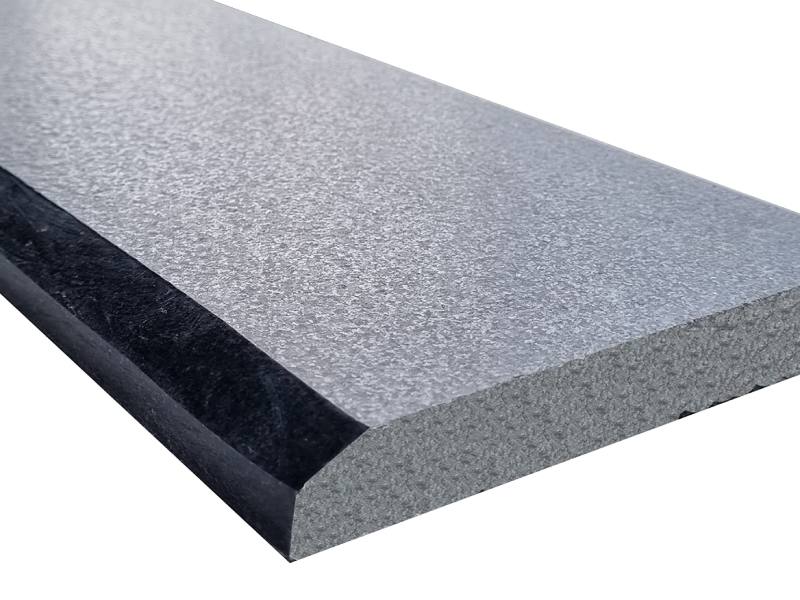
Comparing Granite Door Saddles with Other Materials:
Today, there are tons of options for thresholds out there. You’ve got your classics like wood and newer stuff like engineered stone. With all these choices, it can be hard to pick the right one for your project. But comparing granite thresholds with other thresholds for doors helps you see what’s out there and find what works best for you. It’s all about making a smart choice that fits your needs and style.
Granite vs. Marble Thresholds:
- Durability: Granite is highly durable and resistant to scratches, stains, and wear, making it ideal for high-traffic areas.
- Appeal: Granite offers natural beauty and elegance with a wide range of colours and patterns, while marble provides a luxurious appearance but may require more maintenance to preserve its look.
- Cost-effectiveness: Stone threshold for doors may have a higher upfront cost but offer long-term value due to their durability and longevity.
- Maintenance: Granite door saddles are relatively low-maintenance, requiring simple cleaning to retain their beauty, while marble thresholds may require more frequent sealing and care to prevent staining and etching.
Also READ | Granite vs. Quartzite: Comparing Two Titans of the Natural Stone World
Wood Door Saddle vs. Granite Stone
- Durability: Granite is more durable than wood and less prone to decay or damage over time.
- Appeal: Granite offers a sophisticated appearance with natural variations, while wood provides a warm and classic aesthetic.
- Cost-effectiveness: While granite door saddles may have a higher initial cost, they offer better long-term value due to their durability and minimal maintenance requirements compared to wood.
- Maintenance: Granite transition piece require less maintenance than wood thresholds, which may need periodic refinishing and sealing to protect against moisture damage and wear.
Tiles Thresholds vs. Granite
- Durability: Natural stone is more durable than tiles and less susceptible to cracking or chipping.
- Appeal: Granite offers a natural and elegant look with unique patterns and colours, while tiles may offer a wider variety of designs but lack the natural beauty of granite.
- Cost-effectiveness: Granite thresholds may have a higher upfront cost but offer better long-term value due to their durability and minimal maintenance requirements compared to tiles.
- Maintenance: Natural stone thresholds require less maintenance than tiles, which may require grout cleaning and resealing over time to prevent staining and mould growth.
Engineered Stone Floor Thresholds vs. Granite
- Durability: Granite is more durable than most engineered stone options and offers better resistance to scratches and stains.
- Appeal: Granite provides a natural and unique appearance with varied patterns and colours, while engineered stone may offer a more consistent look but lacks the natural beauty of granite.
- Cost-effectiveness: Granite transition pieces may have a higher initial cost but offer better long-term value due to their durability and minimal maintenance requirements compared to engineered stone.
- Maintenance: Natural stone thresholds require less maintenance than engineered stone, which may require periodic sealing and care to maintain its appearance and durability.
Also READ | The Reason for Material Selection: Engineered Stone Vs Natural Stone
About Stone Galleria
As a prominent granite manufacturing unit based in Rajasthan, India, we offer an extensive range of granite varieties sourced from this rich region, including granite thresholds. With our customization options, we can tailor our granite products to meet your specific project requirements. Explore our diverse range of granite options and let us help you bring your vision to life with our premium-quality granite solutions.