
 Fact Checked
Granite is a natural stone known for its hardness and resistance to wear. It’s a favored material for kitchen countertops, bathroom vanities, and other surfaces that need to withstand daily use. But like all natural materials, granite has its vulnerabilities. One of the most significant concerns is staining. This guide aims to answer questions such as “does granite stain?” and “will granite countertops stain?” by examining various factors that contribute to staining and how to prevent and address them.
Understanding Granite and Its Composition
What Is Granite?
Granite is an igneous rock formed from the slow crystallization of magma beneath the Earth’s surface. It is composed mainly of quartz, feldspar, and mica, giving it a distinctive speckled appearance. The unique combination of minerals in granite contributes to its durability and variety of colors and patterns.
ALSO READ | Selecting the Perfect Granite Finish Types for Your Construction Project
Porosity of Granite
Granite is relatively porous compared to synthetic materials like quartz. Its porosity means that liquids can seep into the surface if not properly sealed. This characteristic is a key factor in understanding why granite can stain and how to prevent it.
ALSO READ | Is Granite Porous? or Non-porous or How Porous Is it?

Does Granite Stain?
Common Granite Staining Agents
Granite countertops can be vulnerable to stains from a variety of substances commonly found in kitchens and bathrooms. These include:
- Oil: Cooking oils and greasy foods can penetrate granite and leave dark spots.
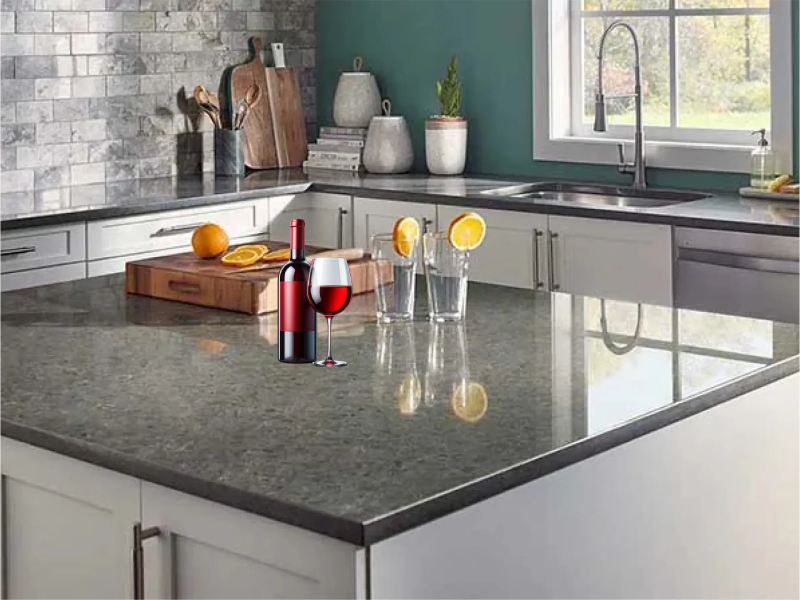
- Wine and Fruit Juices: These acidic liquids can cause deep stains if not wiped up promptly.
- Coffee and Tea: Dark beverages can leave noticeable stains on lighter granite surfaces.
- Water: While not as aggressive as other substances, water can still cause stains, especially if it sits on the surface for extended periods.

Does Granite Stain with Water?
Water stains are a particular concern with granite countertops. If water is left to pool on the surface, it can lead to temporary darkening of the stone. In some cases, mineral deposits from hard water can leave behind a whitish residue. Regular sealing and prompt cleaning can mitigate these effects.
.webp)
Comparing Granite to Other Materials
Does Quartz Stain More Than Granite?
Quartz countertops, made from engineered stone, are less porous than granite, making them more resistant to staining. However, this does not mean quartz is impervious to stains. Certain chemicals and high heat can still damage quartz surfaces. In general, granite may require more maintenance to prevent stains compared to quartz, but both materials are durable choices for countertops.
ALSO READ | Quartz vs. Granite – Heat Resistance Comparison
Do Granite Countertops Stain Easily?
Granite is not as prone to staining as some other natural stones, such as marble, but it is not entirely stain-proof. Proper care and maintenance, including sealing and prompt cleaning, are essential to keeping granite countertops stain-free.
Preventing Stains on Granite Countertops
Sealing Granite
One of the most effective ways to prevent stains on granite countertops is to apply a high-quality sealer. Sealers create a protective barrier on the surface, reducing the stone’s porosity and preventing liquids from penetrating.
How Often Should Granite Be Sealed?
The frequency of sealing depends on the type of granite and its usage. Generally, countertops should be sealed every 1-2 years. A simple test to determine if your granite needs resealing is to pour a few drops of water on the surface. If the water beads up, the sealer is intact. If it absorbs into the stone, it’s time to reseal.
Daily Granite Maintenance Tips
- Wipe Up Spills Immediately: Promptly cleaning up spills prevents liquids from seeping into the granite and causing stains.
- Use Mild Cleaning Solutions: Avoid harsh chemicals that can damage the sealant. A mixture of mild dish soap and water is usually sufficient for daily cleaning.
- Use Cutting Boards and Trivets: Protect the surface from potential stains by using cutting boards for food preparation and trivets for hot pots and pans.
How to Remove Stains from Granite?
Identifying the Type of Stain
Different substances cause different types of stains, and the approach to removing them varies. Identifying the staining agent is the first step in effective stain removal.
Common Stain Removal Techniques
Oil-Based Stains
Oil-based stains can be challenging to remove because they penetrate deeply into the stone. A poultice made of baking soda and water or a specialized granite stain remover can help lift the stain. Apply the poultice to the affected area, cover it with plastic wrap, and let it sit for 24-48 hours before wiping it away.
Organic Stains
Organic stains from food, beverages, or plants can usually be removed with a mixture of hydrogen peroxide and a few drops of ammonia. Apply the solution to the stain and let it sit for several hours before rinsing and drying the area.
Water Stains
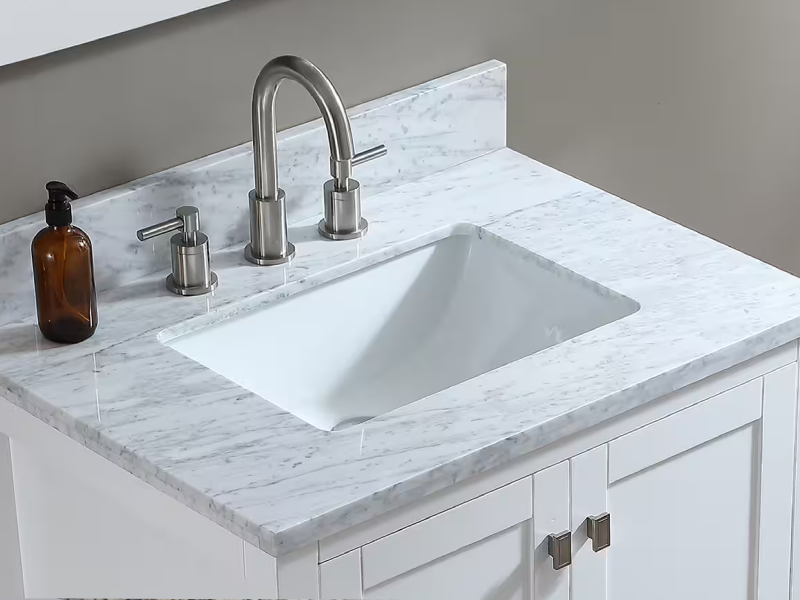
Water stains often appear as light spots or rings. These can usually be removed by gently scrubbing the area with a soft cloth and a mixture of baking soda and water. For more stubborn stains, a granite cleaner with a mild abrasive may be necessary.
Professional Cleaning and Restoration
For particularly stubborn stains or extensive damage, it may be necessary to hire a professional stone care specialist. Professionals have access to specialized tools and products that can restore the appearance of your granite countertops.
Special Considerations for White Granite
Does White Granite Stain?
White granite countertops are especially popular for their clean, elegant look. However, they are more susceptible to visible stains than darker granite varieties. Spills and stains stand out more on white surfaces, making it crucial to maintain a rigorous cleaning and sealing routine.
Will White Granite Stain More Easily?
While white granite does not necessarily stain more easily than other colors, the stains are more noticeable. The same preventive measures and cleaning techniques apply, but owners of white granite may need to be extra vigilant in maintaining their countertops.
ALSO READ | Light Coloured Granite Slabs That Are Popular and Versatile
Conclusion
Granite countertops are a durable and beautiful addition to any home, but they do require proper care to prevent staining. Understanding the risks associated with granite staining, implementing preventative measures like sealing and prompt cleaning, and knowing how to address stains effectively can help maintain the pristine condition of your countertops.
Summary of Key Points
- Granite Composition and Porosity: Understanding granite’s natural properties is essential for effective care.
- Common Staining Agents: Knowing what substances are likely to cause stains helps in prevention and treatment.
- Comparison with Quartz: Granite may require more maintenance but is still a durable and attractive option.
- Preventive Measures: Regular sealing and proper daily maintenance are crucial.
- Stain Removal Techniques: Different stains require different approaches for effective removal.
- Special Care for White Granite: Extra vigilance is needed to keep white granite looking its best.
By following the guidelines outlined in this comprehensive guide, you can ensure that your granite countertops remain a stunning and functional feature in your home for years to come.